|
 |
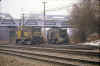 |
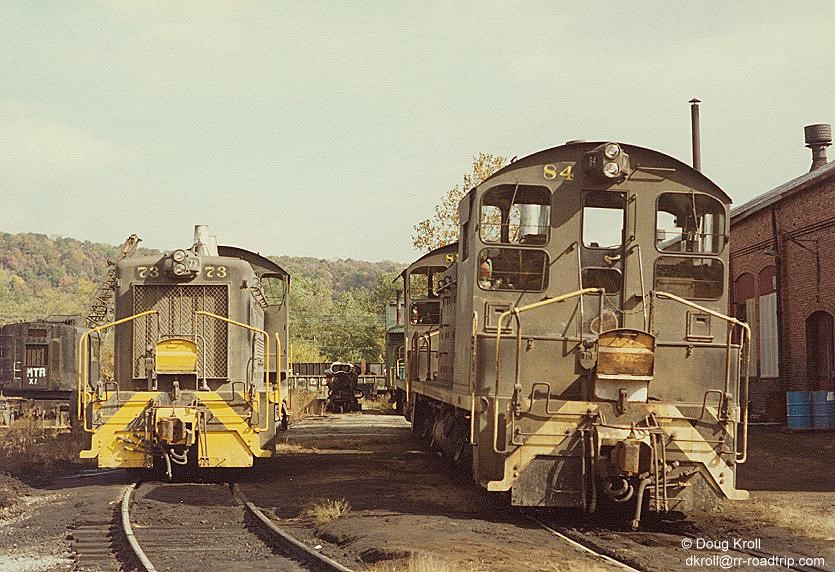
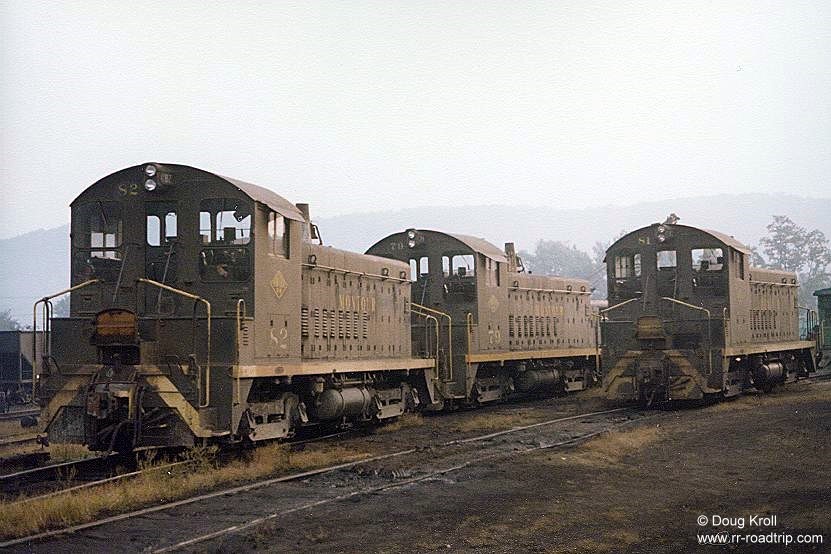
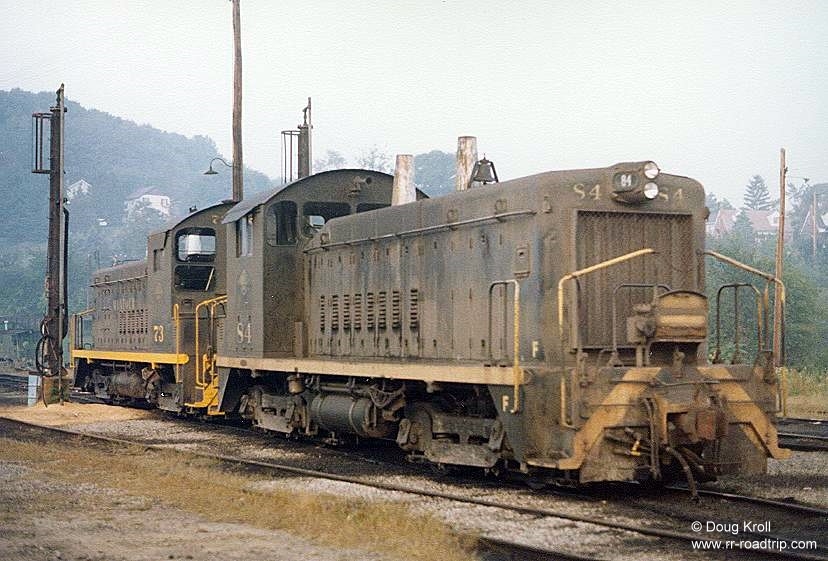
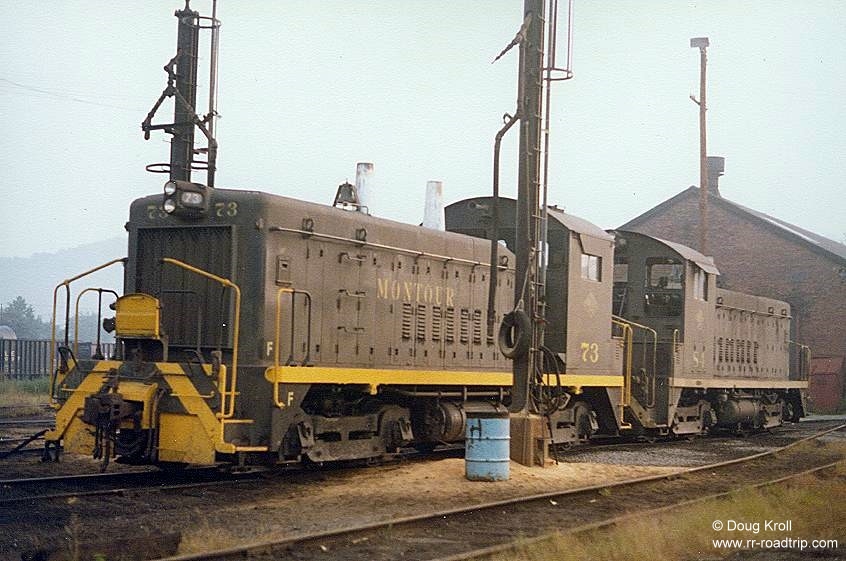
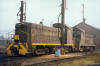
SW9's #73 and 84 are at Coraopolis, PA
on October 19, 1980.
The Montour was wholly owned by the P&LE by this time
(at one time the PC owned 50%). - Doug Kroll (www.rr-roadtrip.com) |
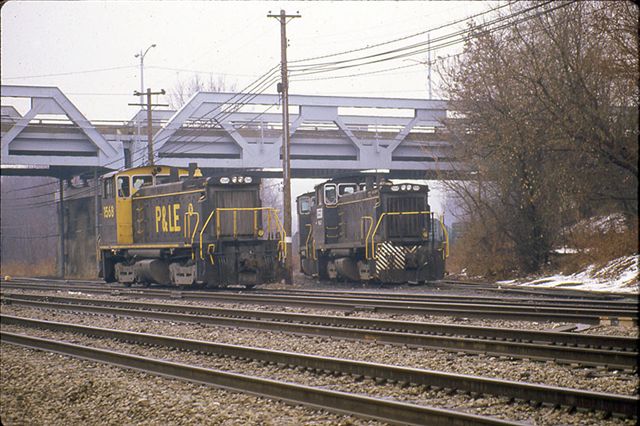
Interchange of
the Montour with the P&LE |
|
 |
 |
 |
|
 |
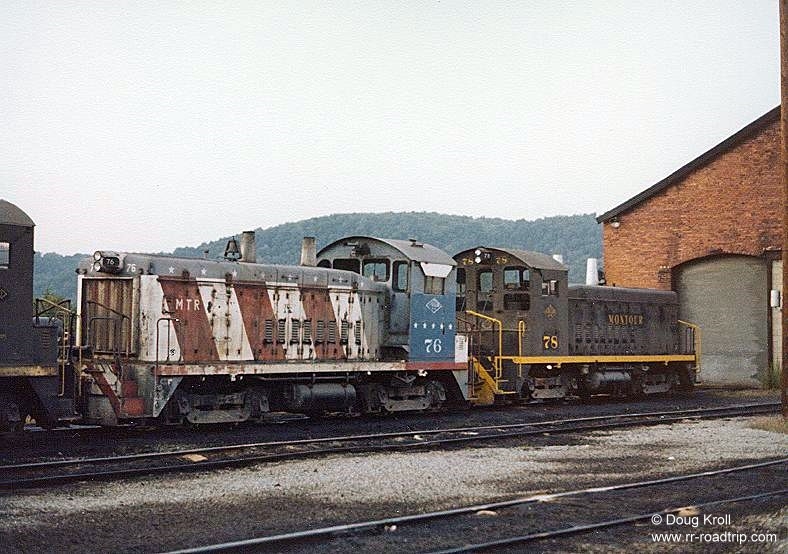
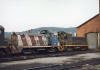
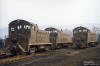
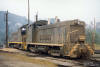
| Here are some
additional photos of engines in Montour junction from Doug Kroll |
| |
|
|
|
|
|
|
|
|
|
|
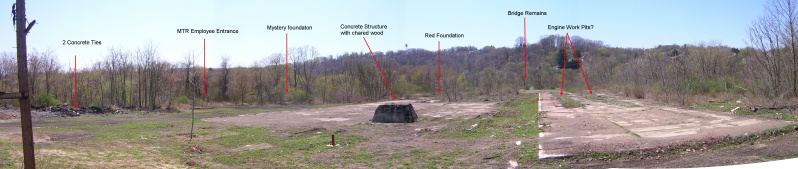 |
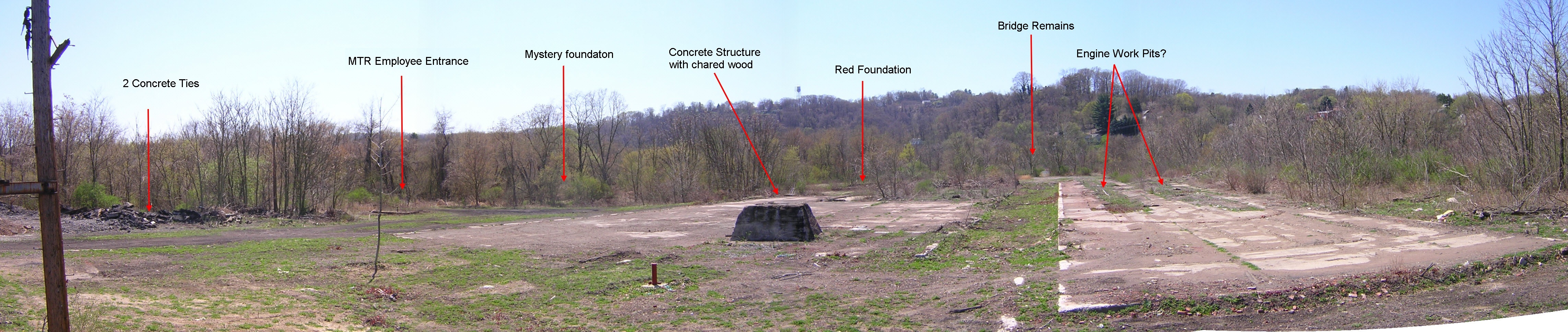
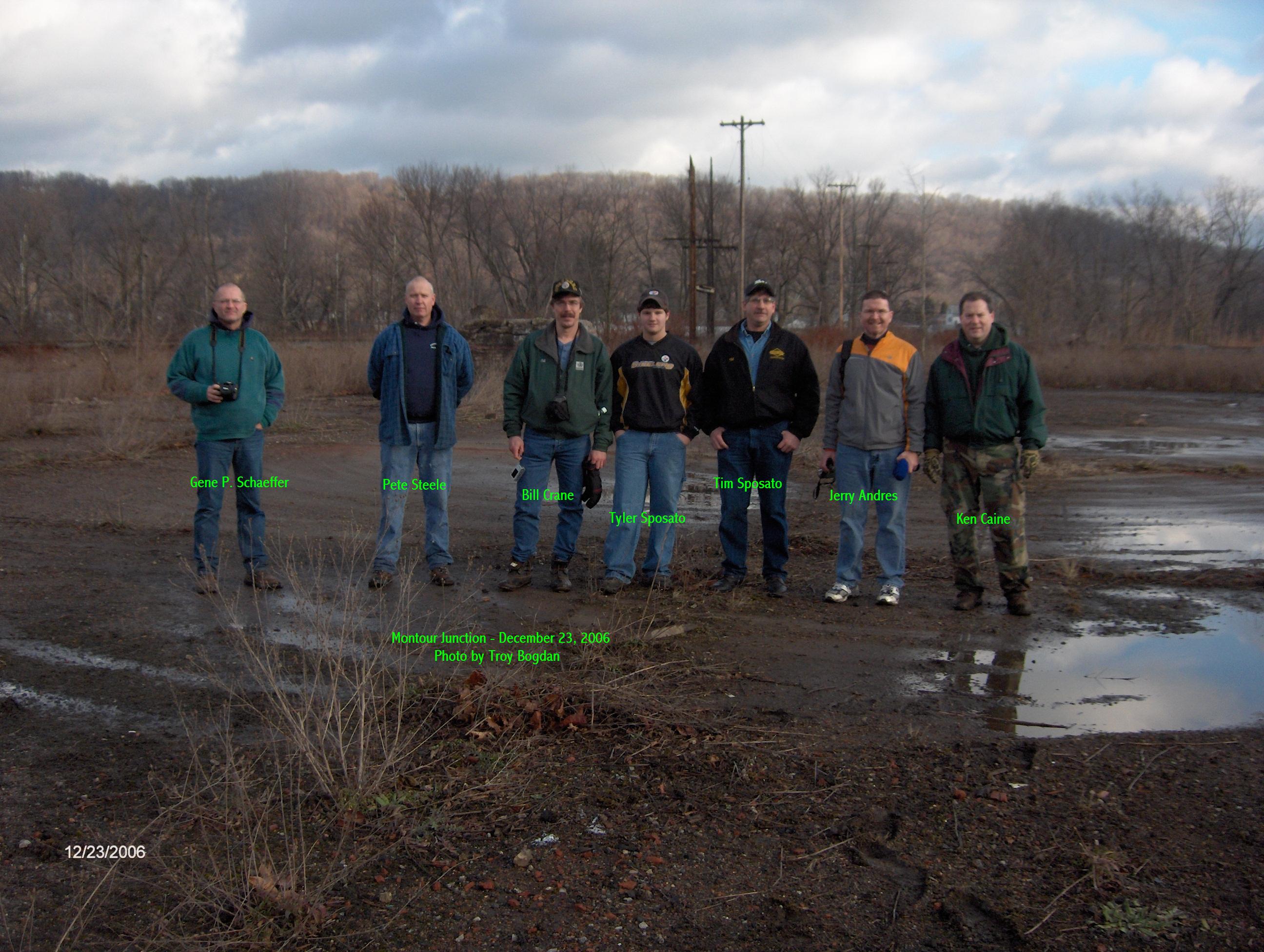
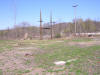
| This is a
panoramic view of Montour Junction looking towards the west. The
picture was taken from the large concrete tower located at the end of
the yard near the CSX tracks. The items in the pictures below have been
identified in the photo. |
|
|
|
|
|
|
|
|
|
 |
|
 |
|
 |
 |
 |
|
|
|
|
|
|
|
|
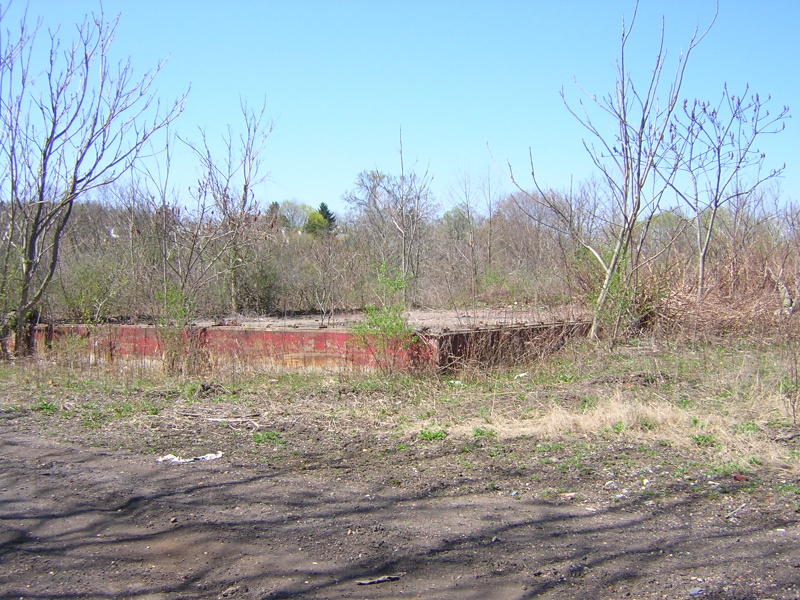
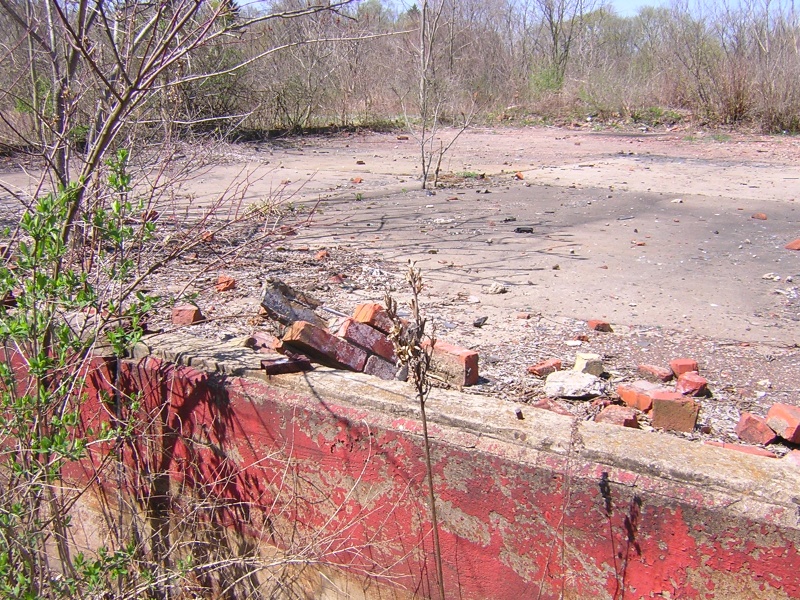
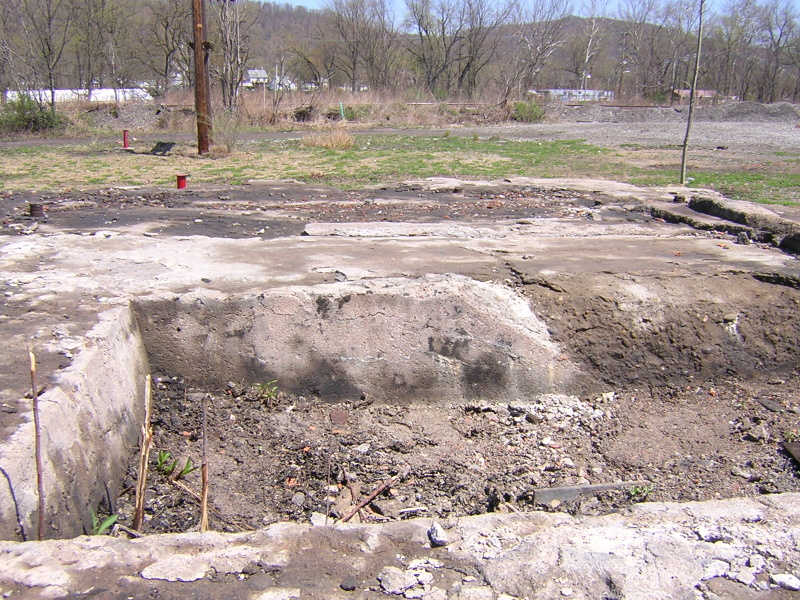
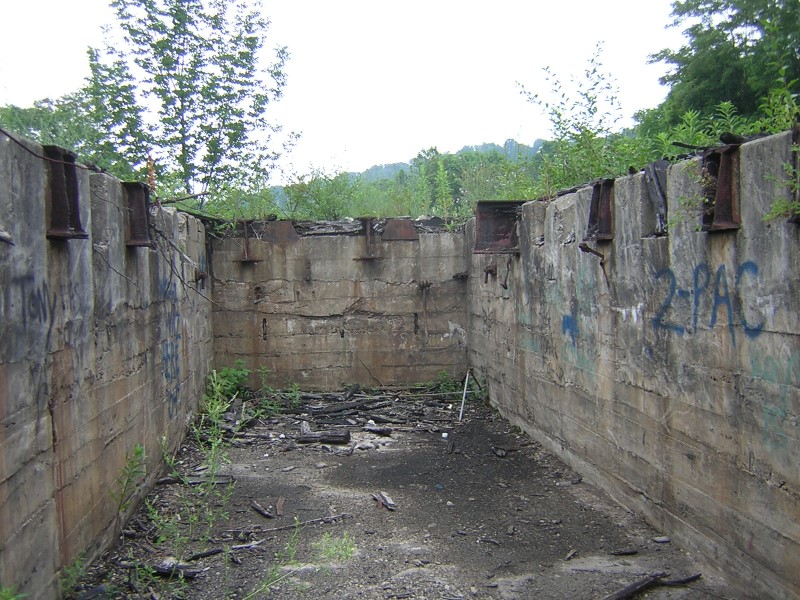
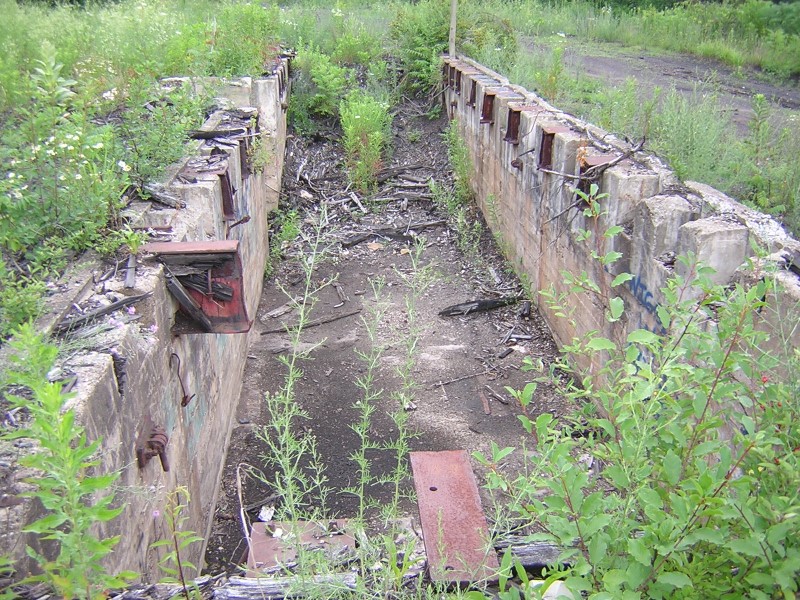
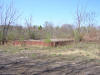
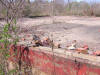
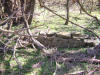
This is the old
foundation for the Montour Railroad shops. Not much remains here but
the foundation and the base floor. You can see many of the bricks of
the old walls for the building strewn about.
N 40 30.682
W 80 08.854 |
|
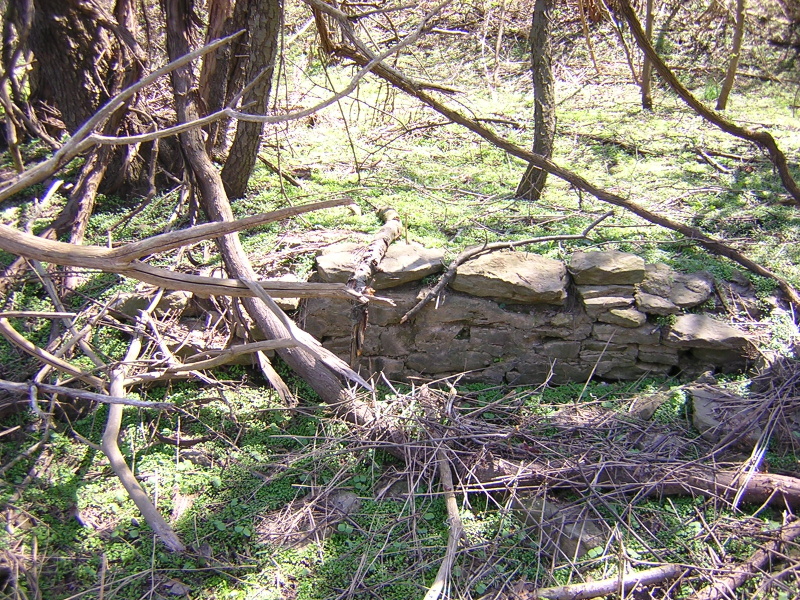
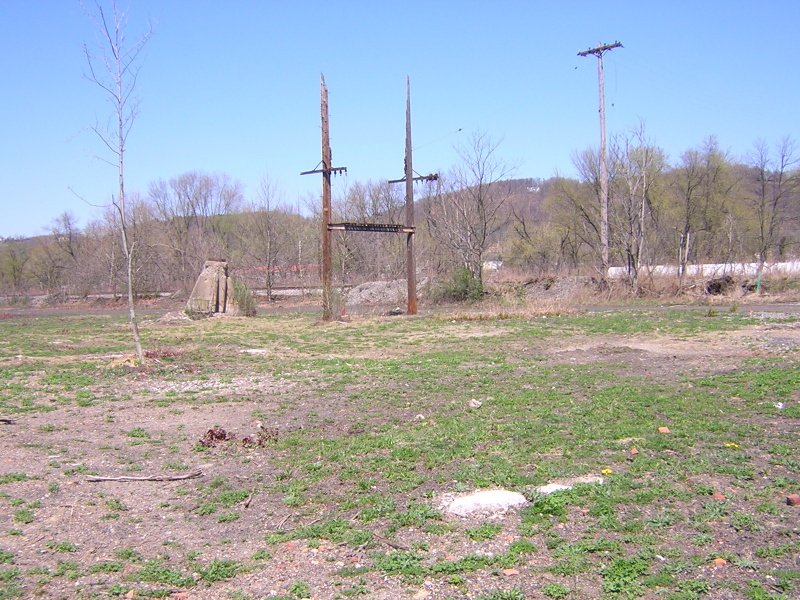
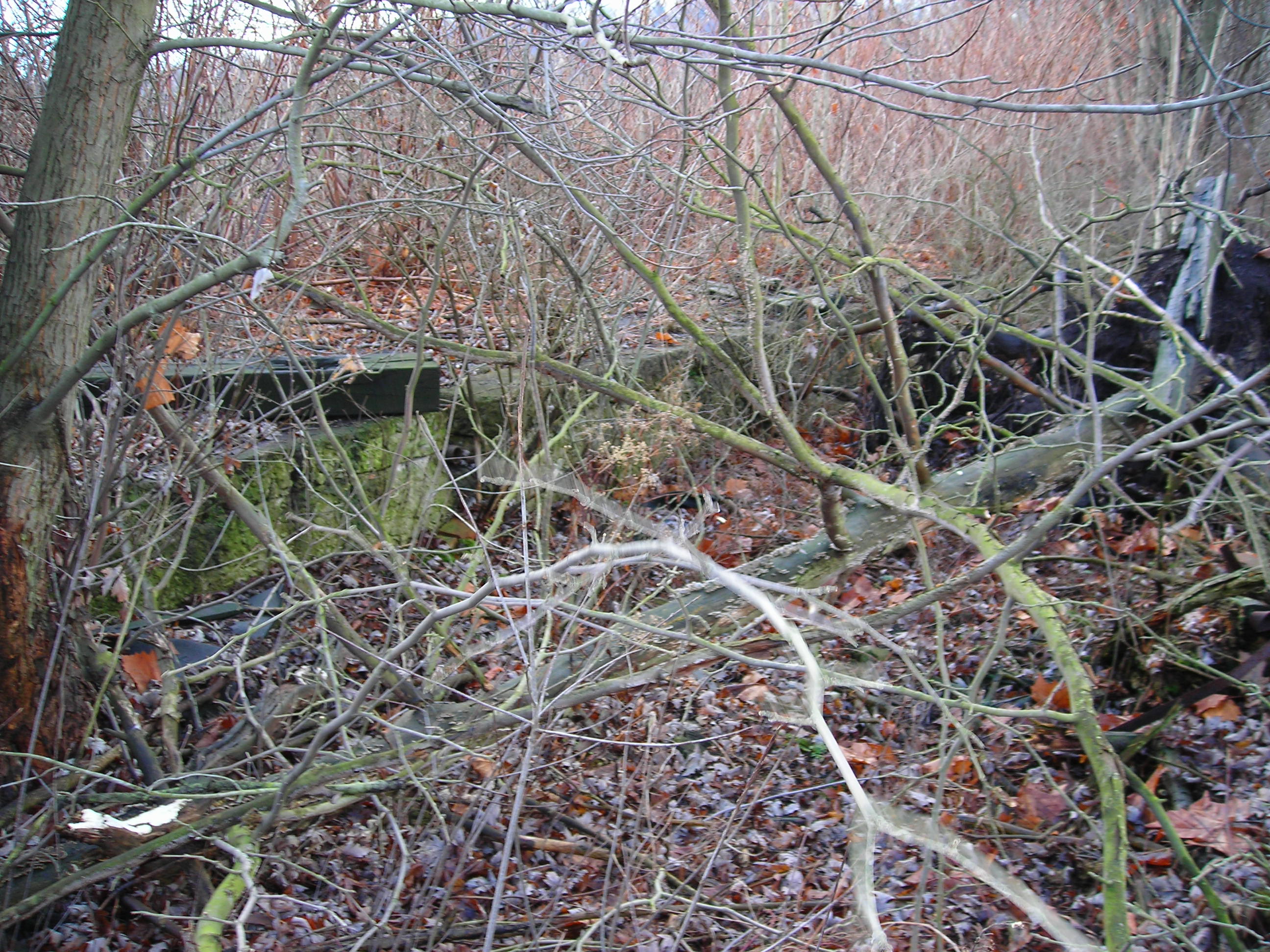
Here is a
mystery foundation that we found on the way up to the junction
buildings. Only scattered building materials and a small wall remain.
N 40 30.593
W 80 08.933 |
|
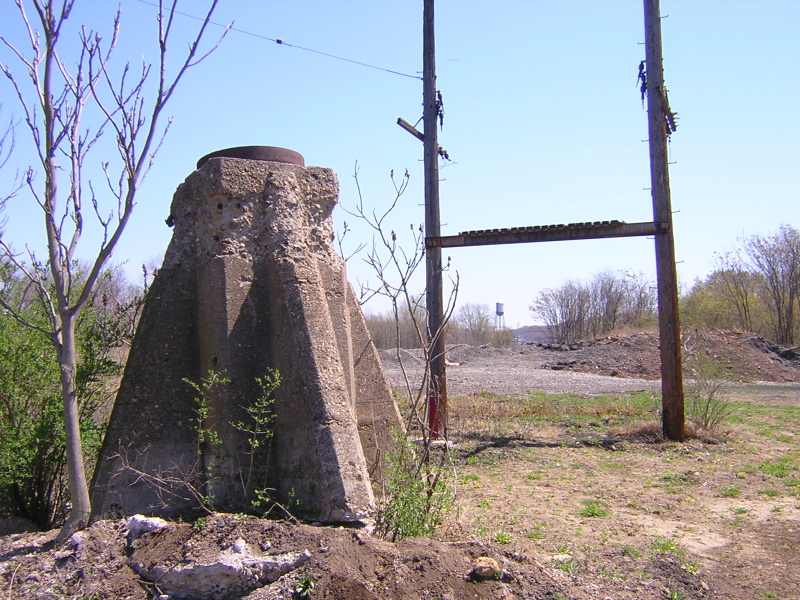
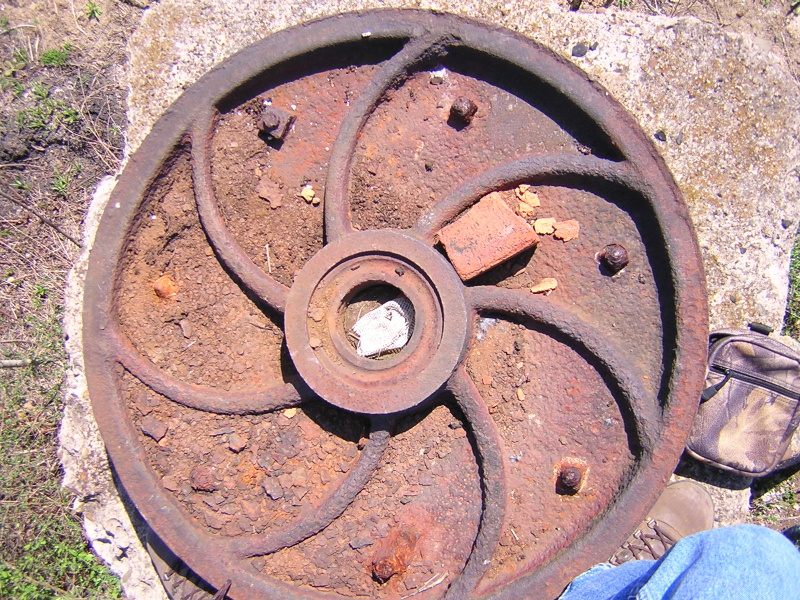
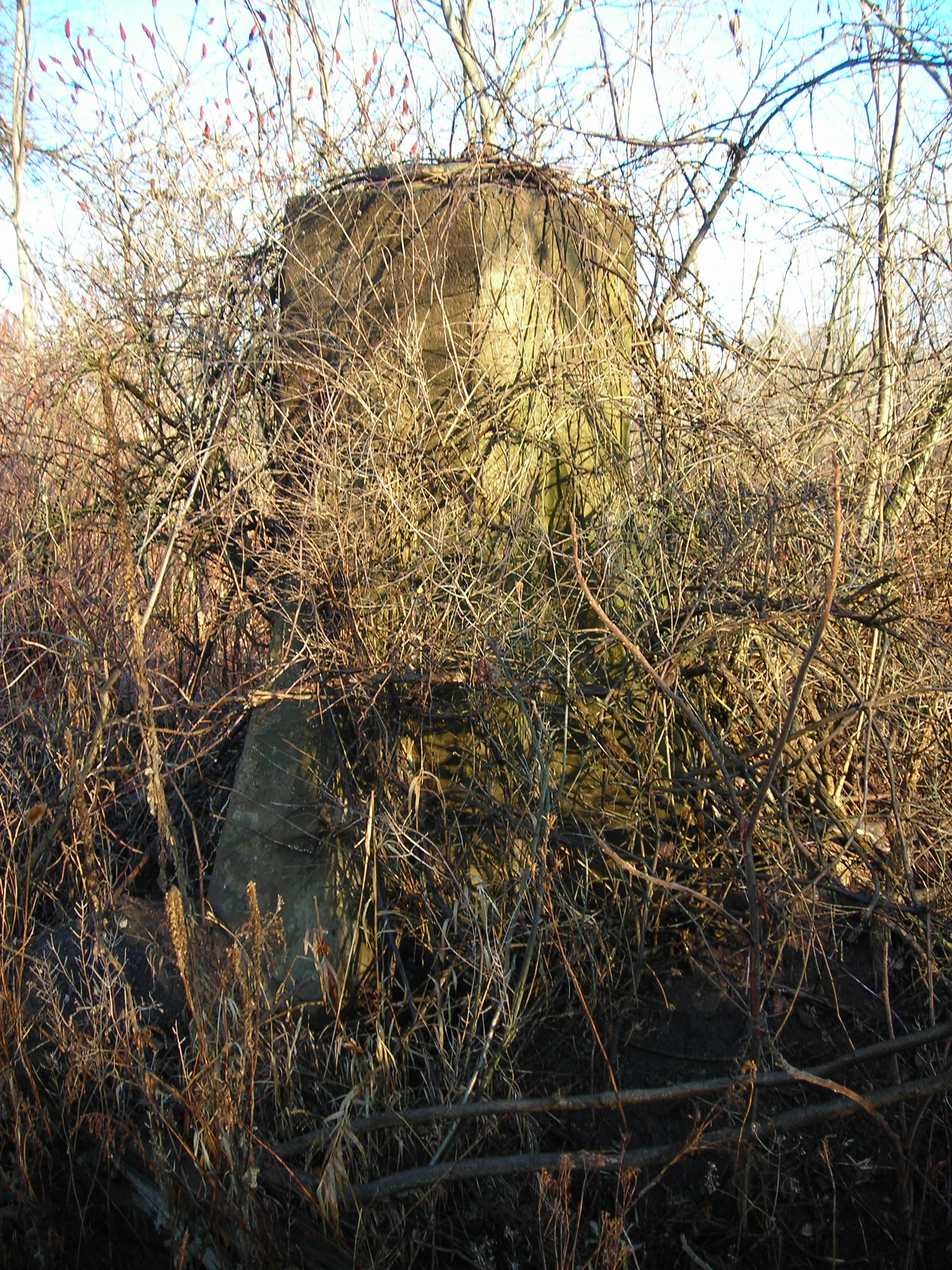
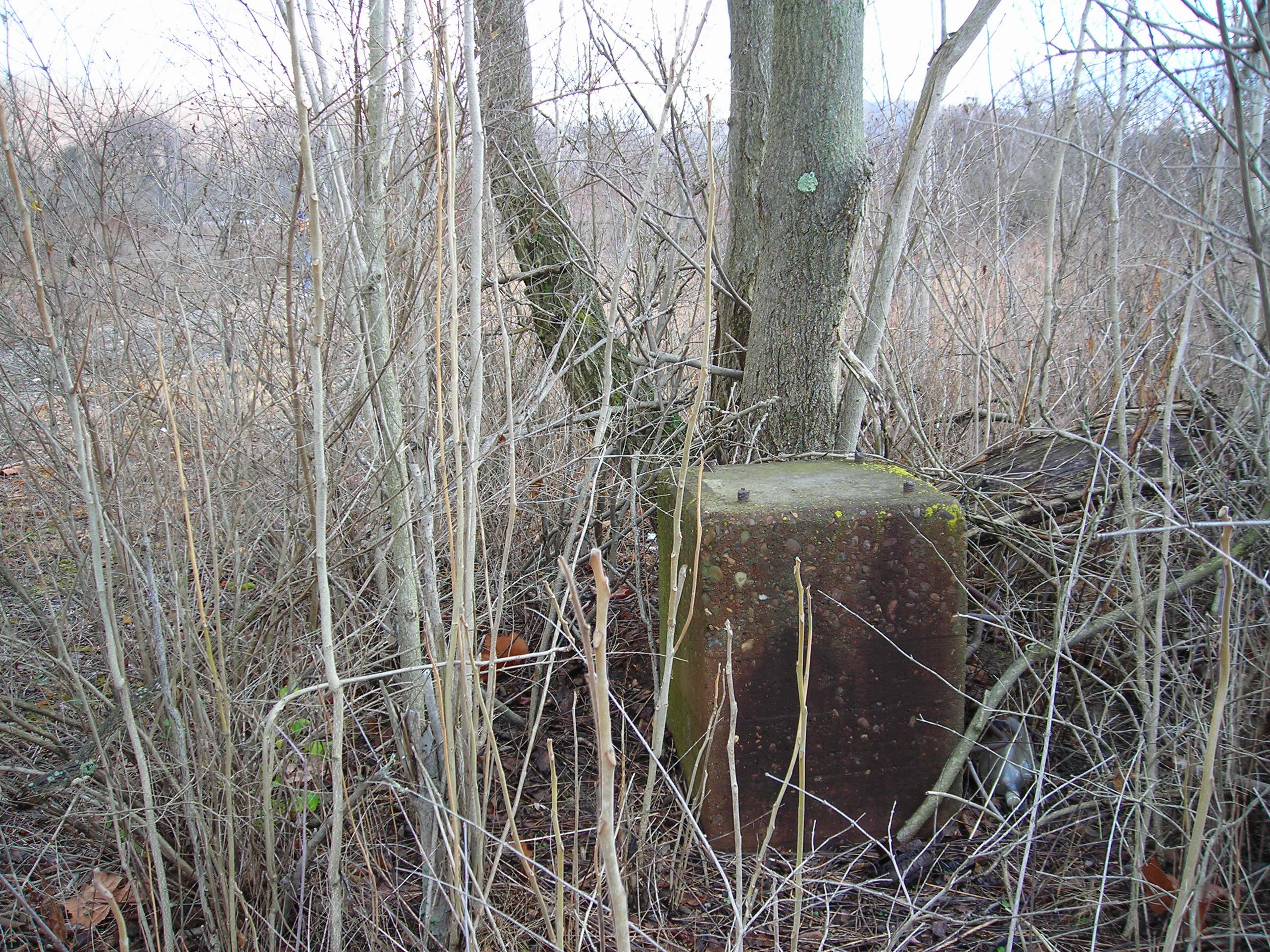
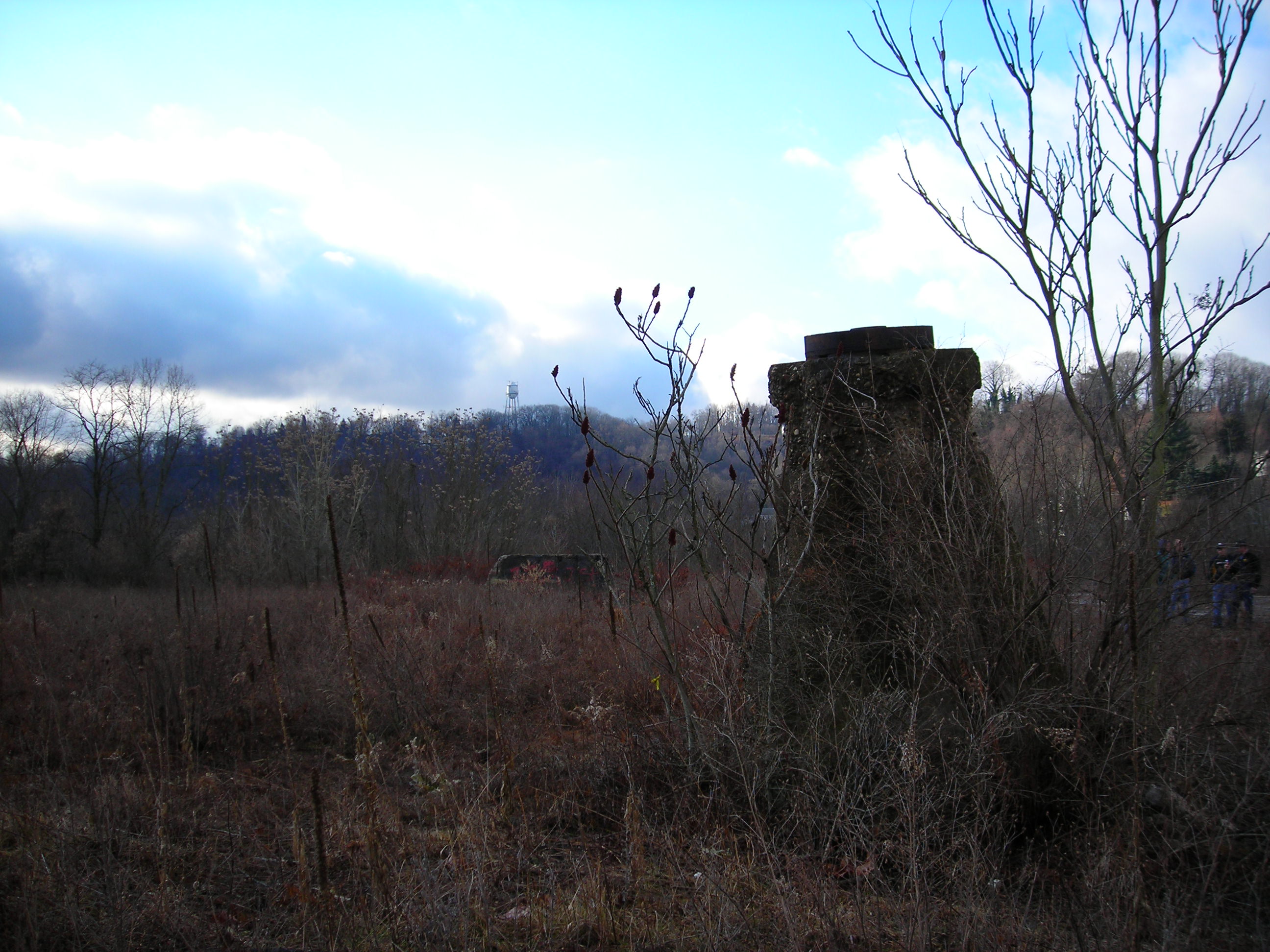
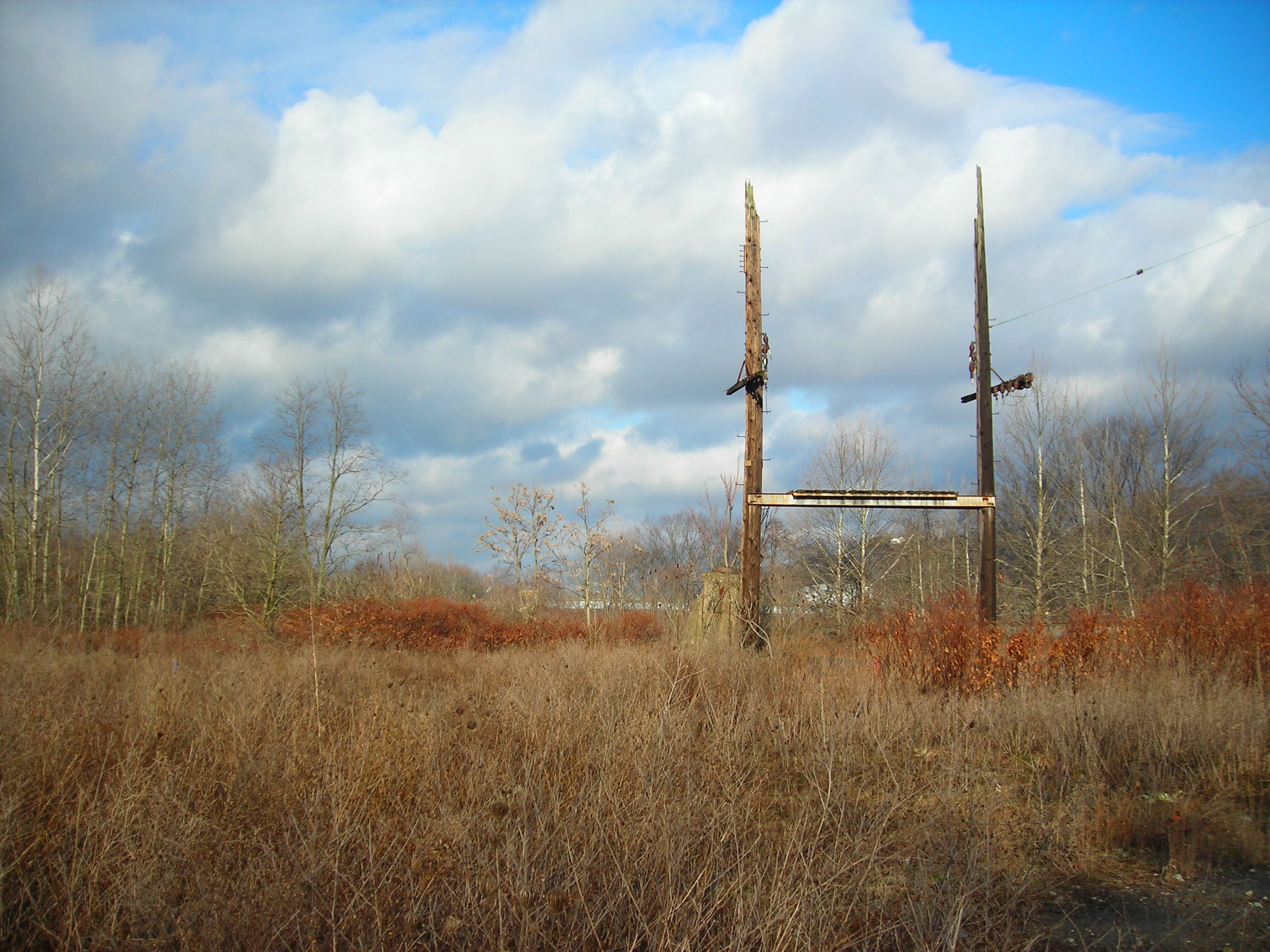
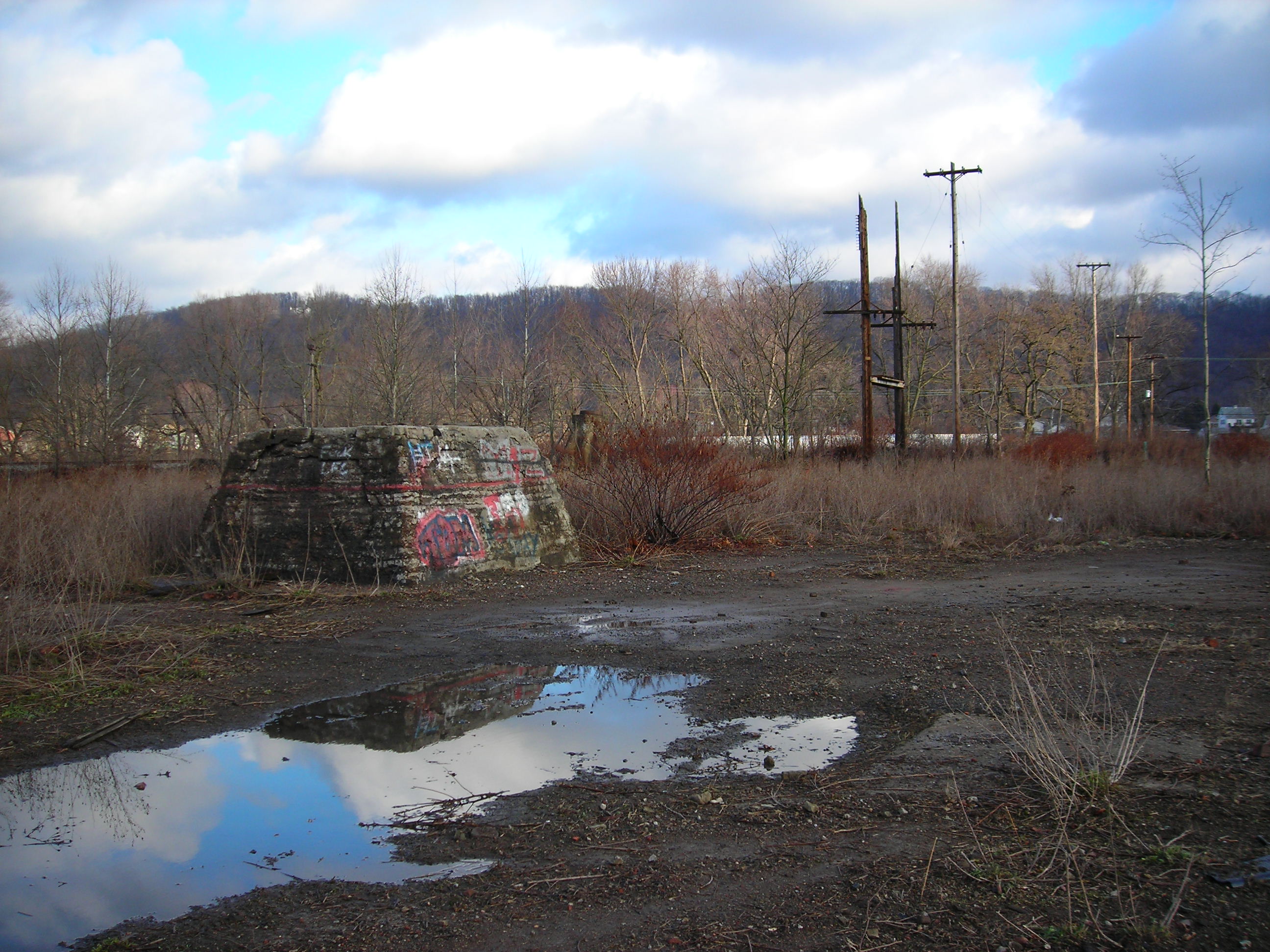
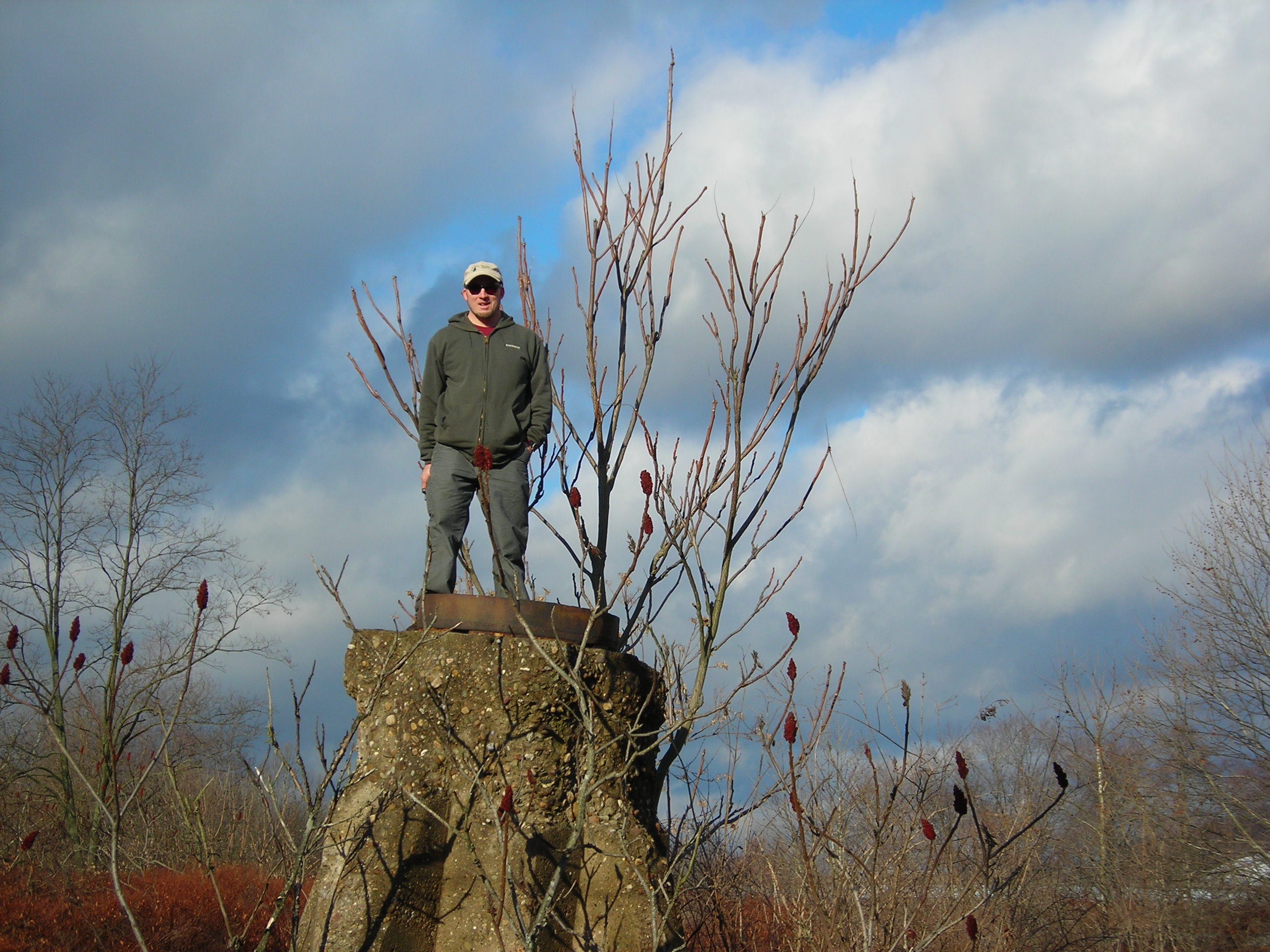
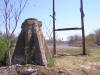
We
are at a loss as to what this structure is. It appears to have been
moved from it's original location. The concrete near the top of the
pier is worn like something picked it up and moved it and the concrete
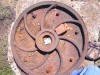
was broken away in the process. The top has what looks like a pulley on
the top but it is bolted to the concrete and is immovable despite what
appears to be an axle in the center. It also does not have a grove
around to keep a belt in place. if it was even used for that. The iron
work is quite interesting. Perhaps some strongman can remove the iron
wheel and use it as a decoration in the home. The goal post looking
thing most likely held a battery of transformers.
Update: The pier was originally located near the
coaling dock as the base for the gantry crane that was used to clean
out the loco ash pits. The clam shell bucket that was used with it also
sat next to the base up until the shops were dismantled, at which time
it too was scrapped. The girder works of the crane must have been
scrapped years before, I never saw that portion. I was told that they
planned to set the crane up in the car repair yard for their use after
the steam loco's were gone, but it never happened.
History by Tim Sposato |
| |
|
|
|
|
|
|
|
 |
 |
 |
|
  |
|
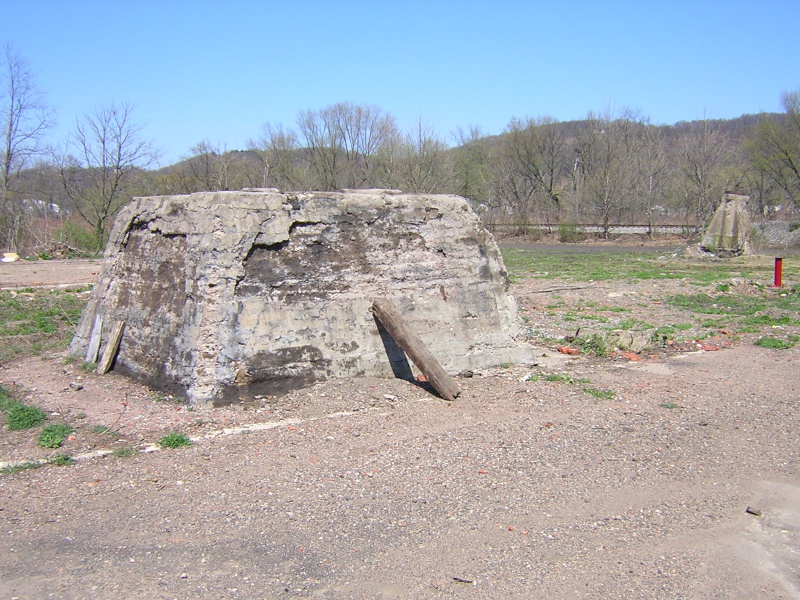
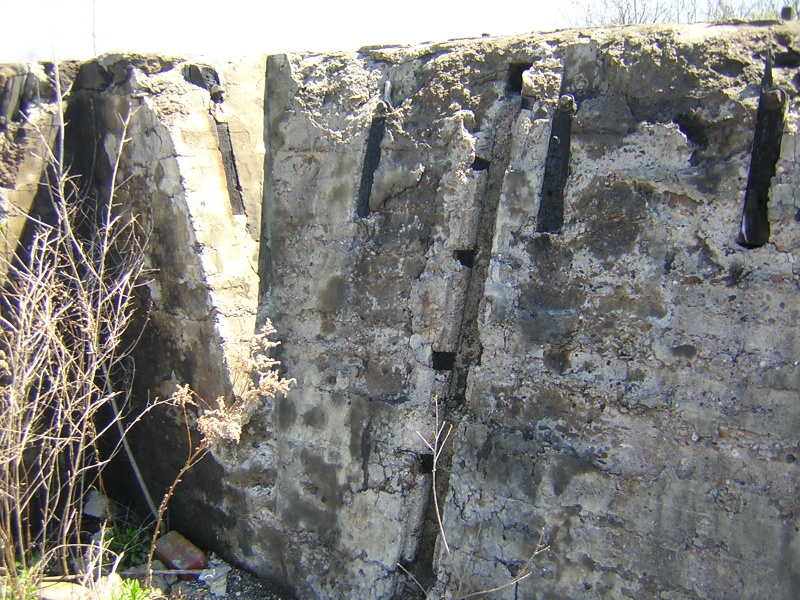
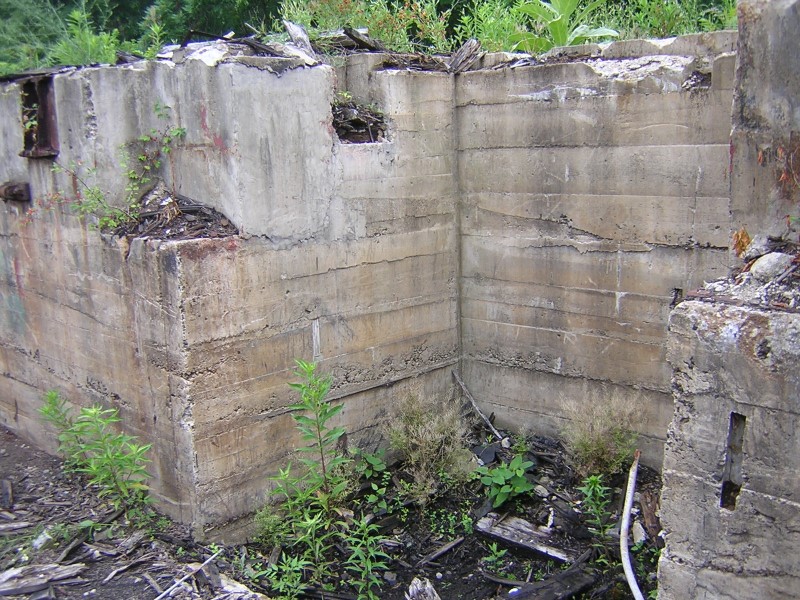
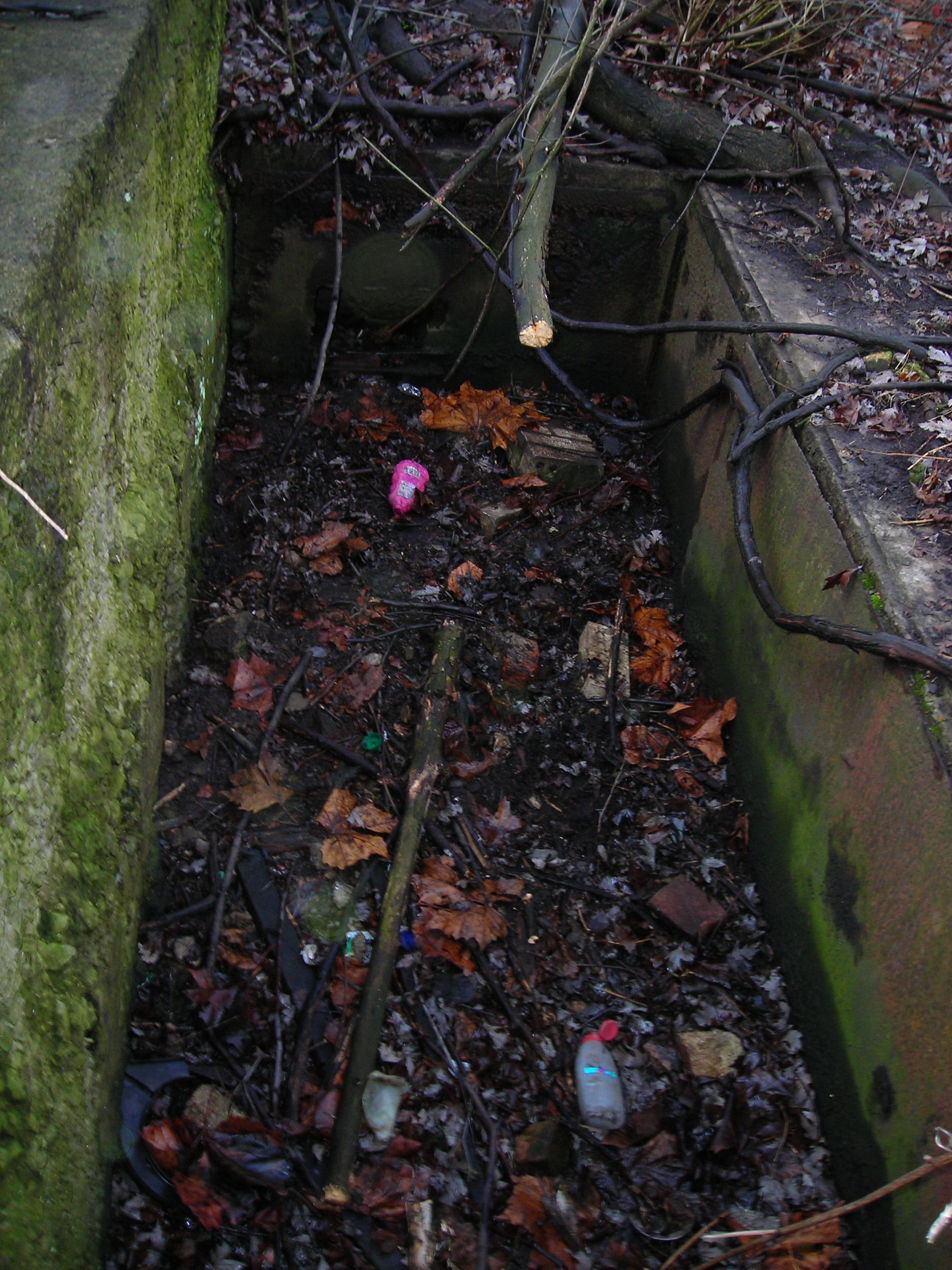
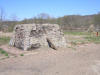
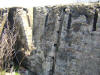
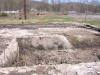
| Here is a
concrete structure with imbedded timbers. Perhaps this thing is an
altar to the men and women that worked the Montour (not really). The
wood that is embedded in the concrete is charred from fire or strong
heat. Again, we don't know the use of this. Can someone enlighten us
please. The first picture relates the location of the 'Altar' to the
pier with the wheel described above. You can see the charred wood in
the middle picture. The third picture is from the top of the concrete
and shows a small pit located on the top.
The
panoramic view of the shop grounds show the concrete foundation that
the shop air compressor sat on. It was designed to keep the compressor
above the normal flood stage of the Ohio River. This was under the
common roof of the backshop building, next to the electrical shop.
History by Tim Sposato
N 40 30.714
W 80 08.832
|
|
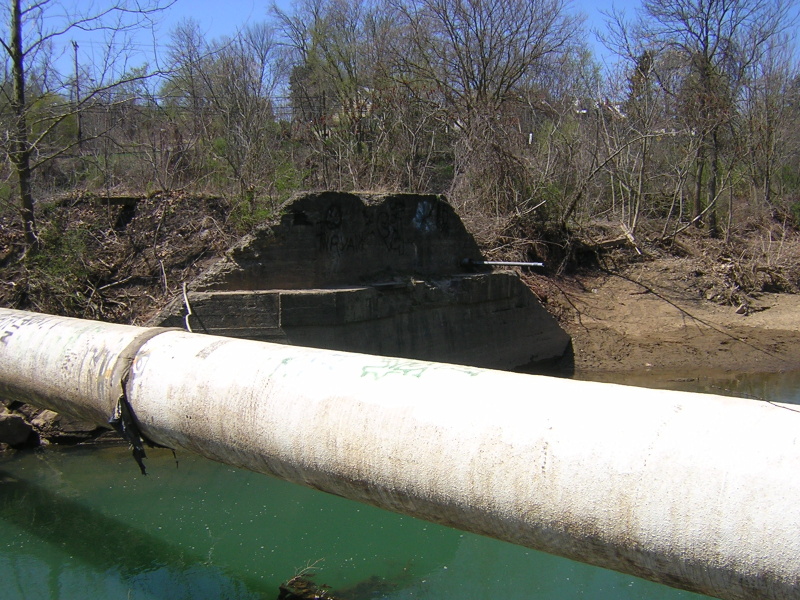
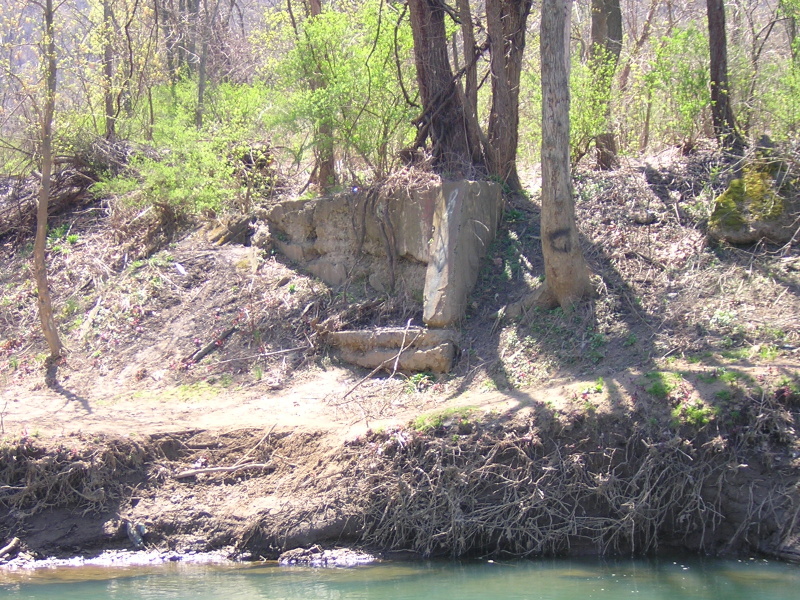
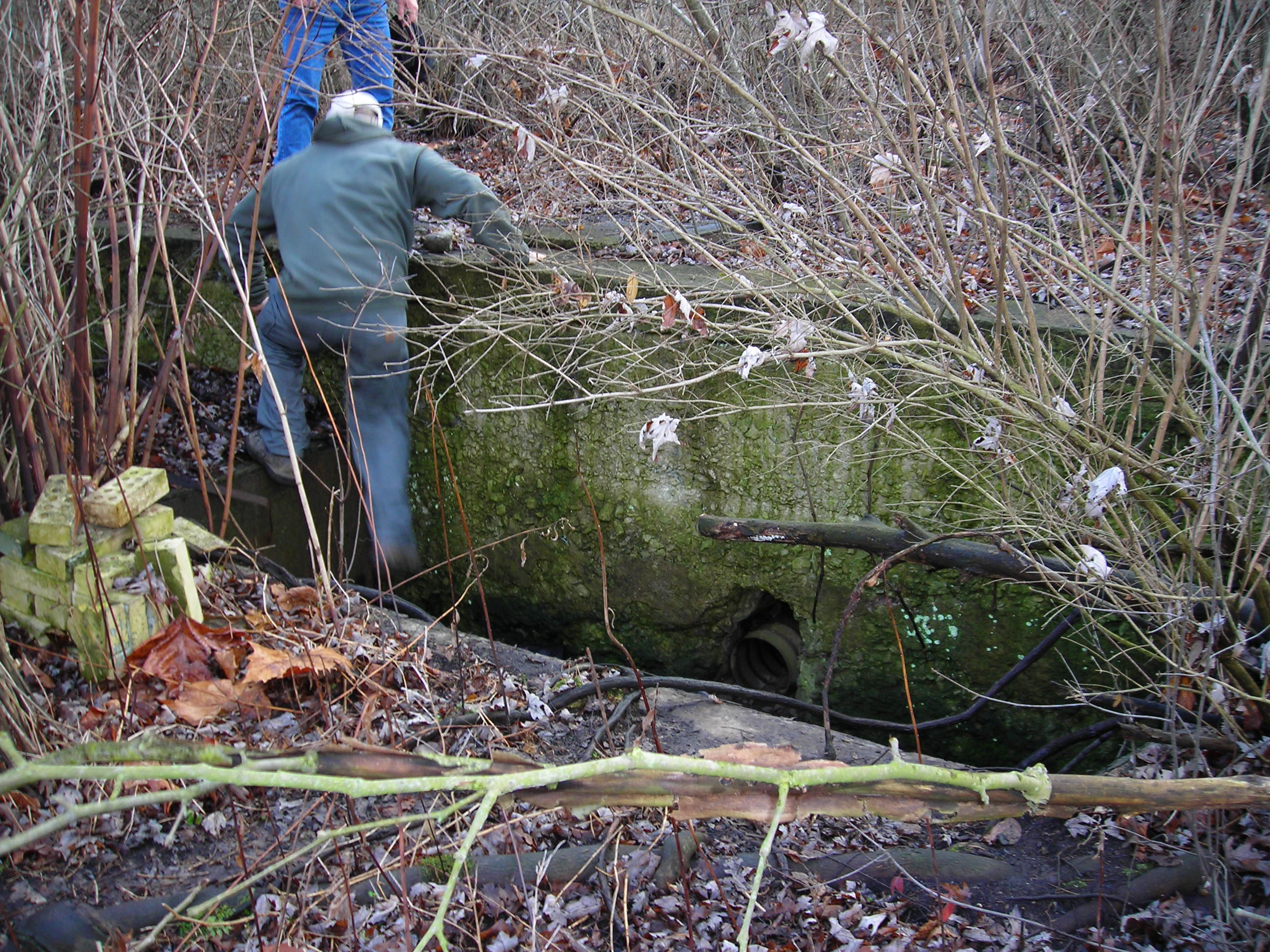
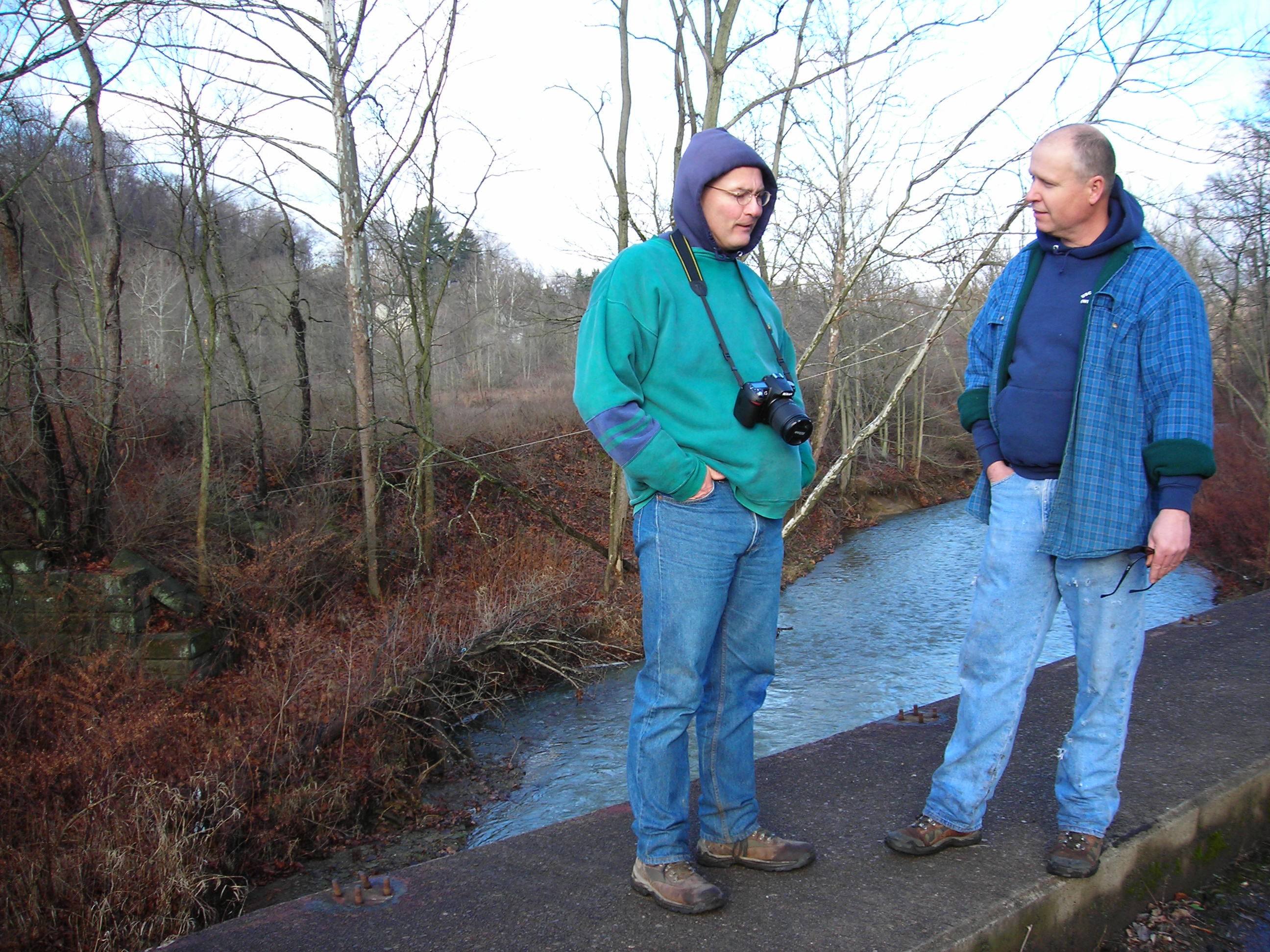
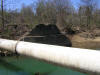
There are two
bridges that led into the Montour Railroad shops. Both of the bridges
are gone. The concrete abutments still exist for both. This is the
bridge that is farthest from the beginning of the yard. We think the
large pipe was placed after the Montour was dismantled. |
|
| |
|
|
|
|
|
|
|
 |
|
|
|
  |
|
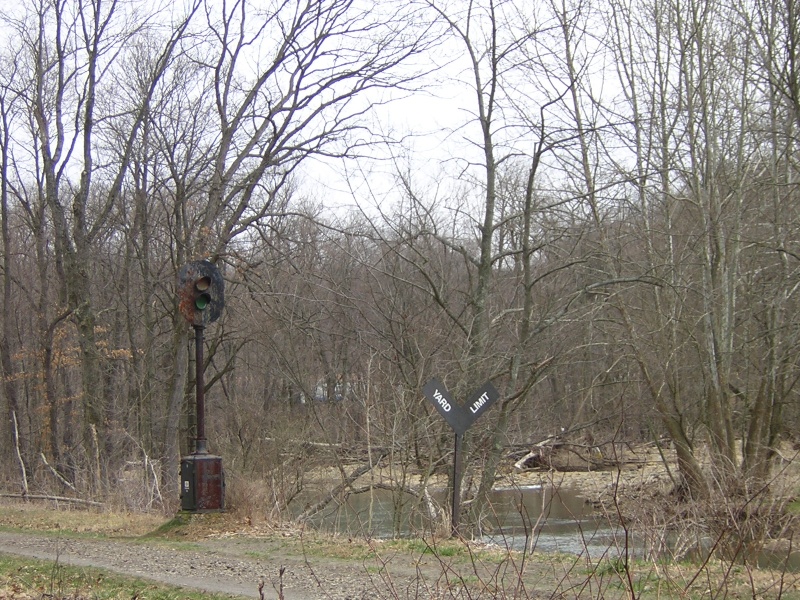
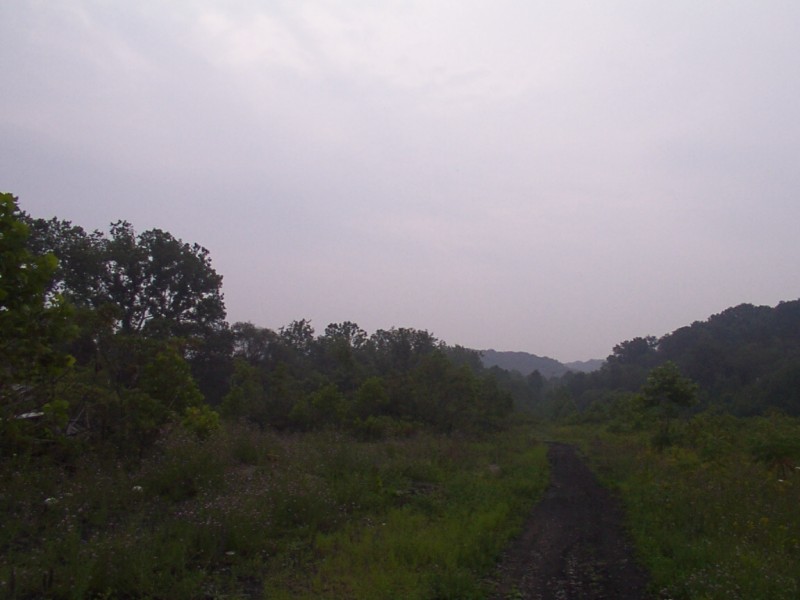
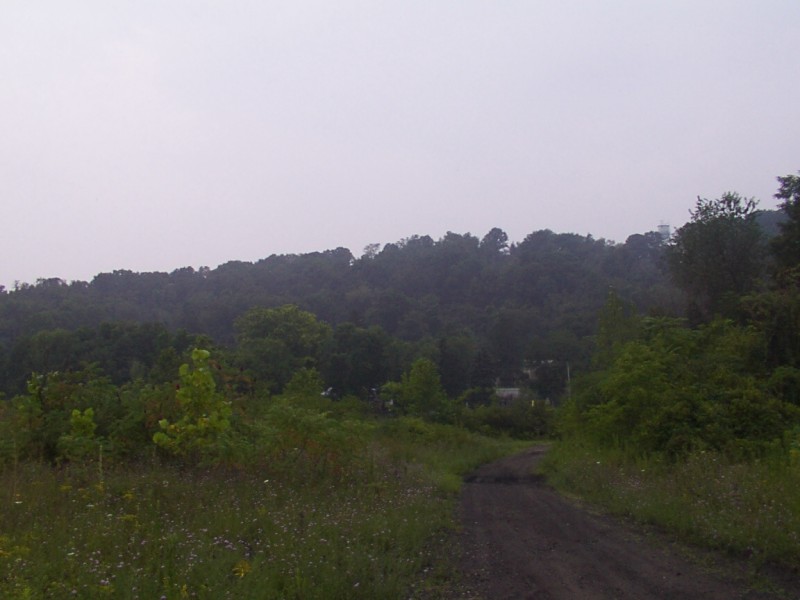
This is the end
of Montour Junction and the beginning of the Montour Trail.
N 40 30.020
W 080 08.947 |
|
|
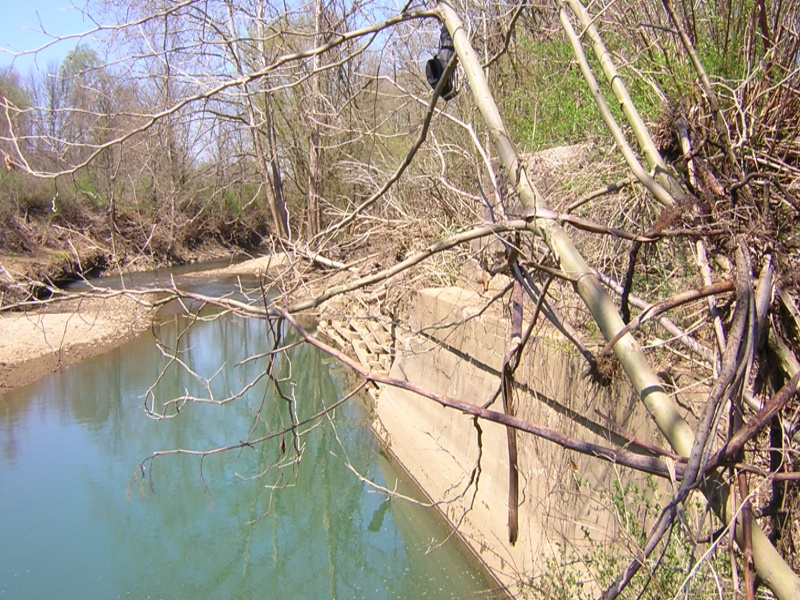
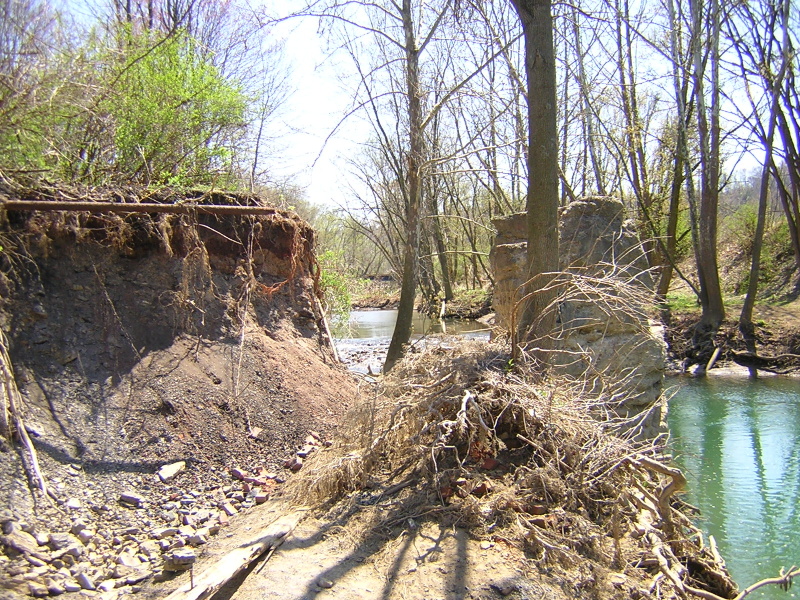
Here are the
pictures of the ruins of the other Montour shop bridges. The picture on
the right show erosion caused by Hurricane Ivan flooding 17-Sep-2004. |
|
| |
| |
|
|
|
|
|
|
|
 |
|
 |
|
 |
|
 |
 |
| |
|
|
|
|
|
|
|
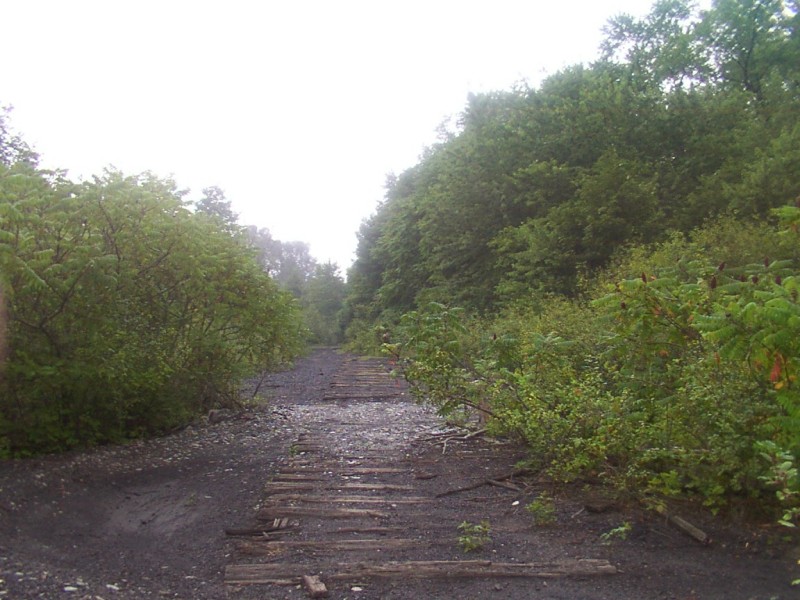
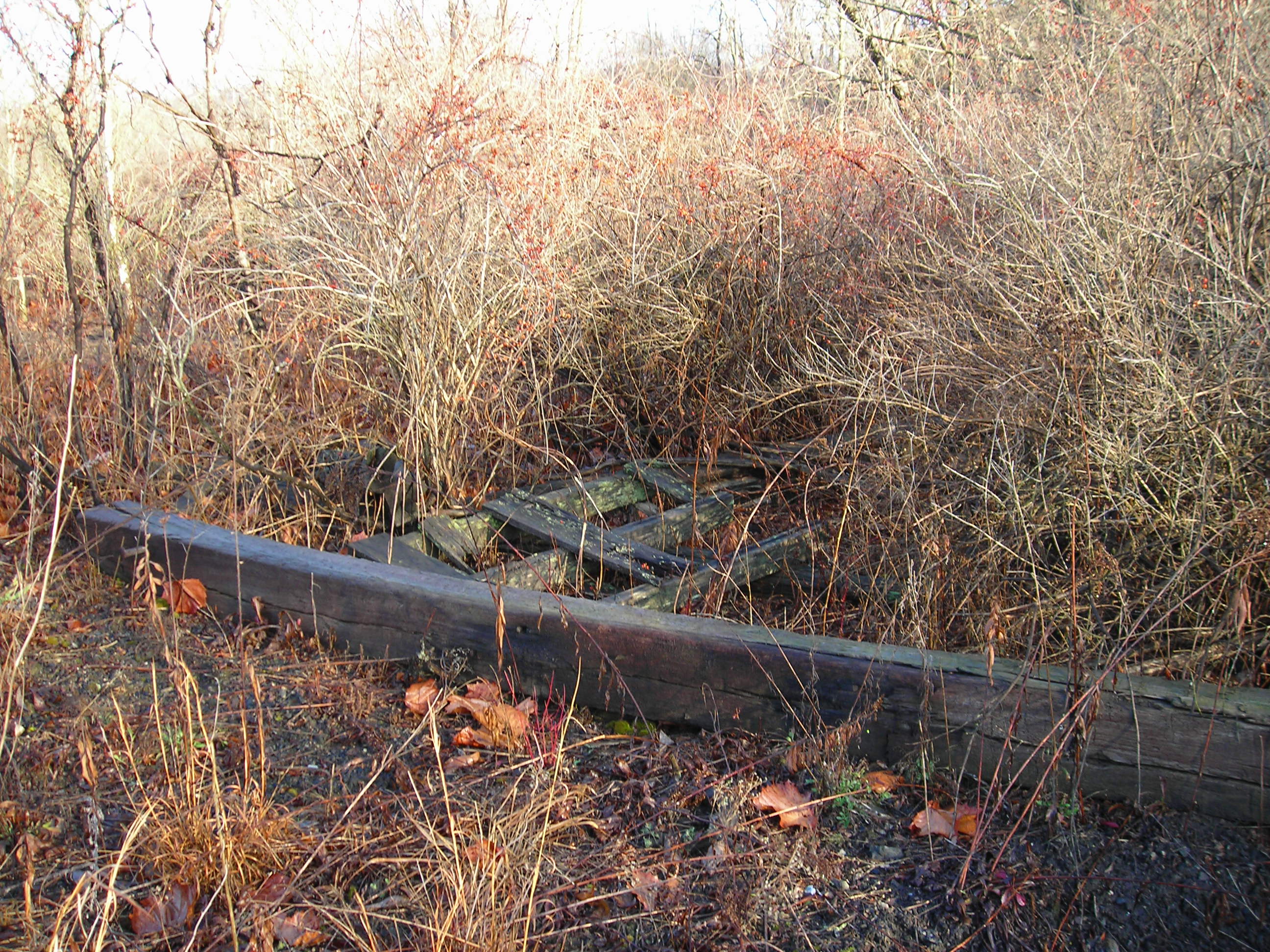
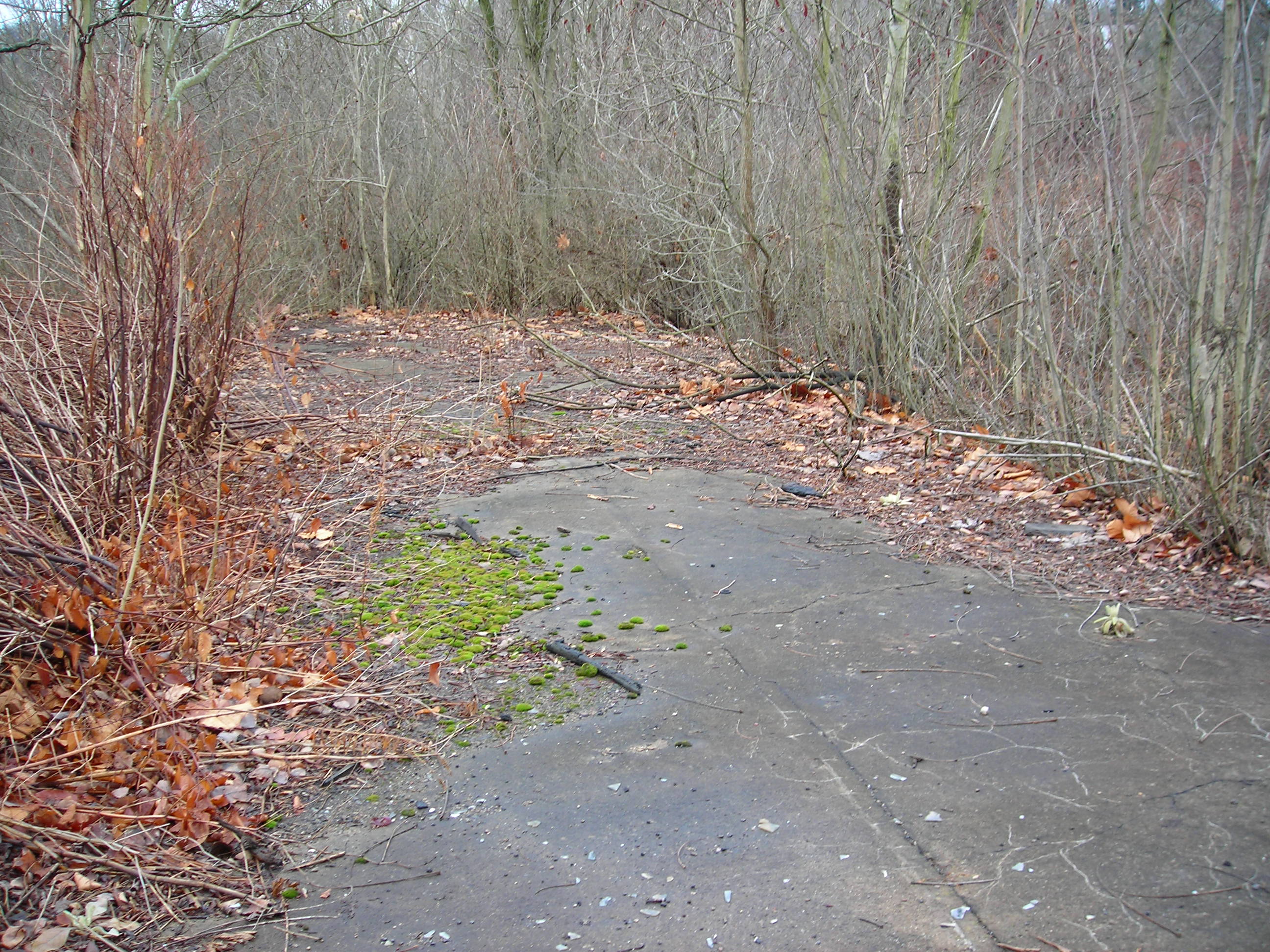
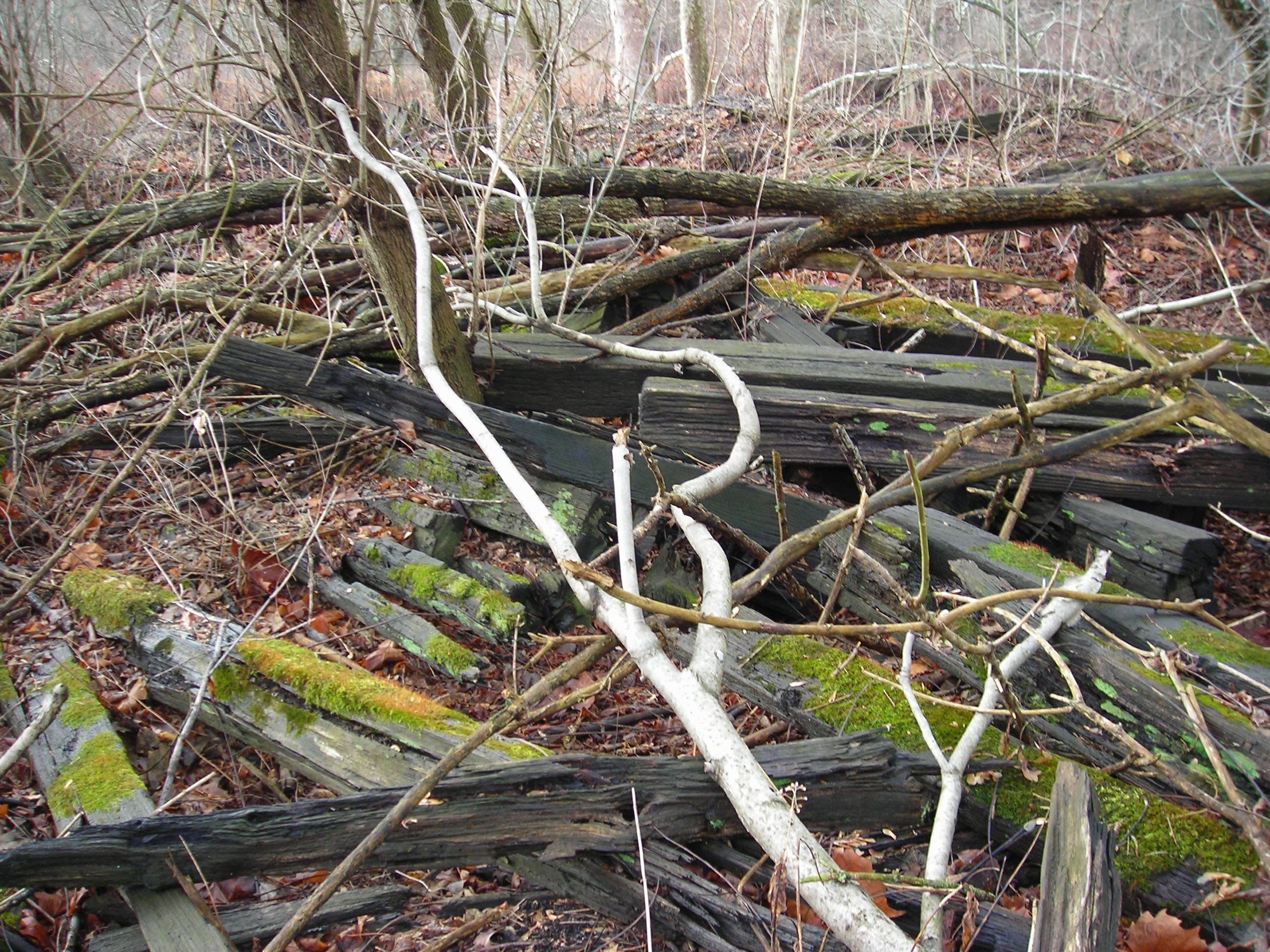
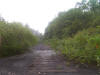
All that
remains of the track are ties that only tell some of the story of the
activity that went on here.
N 40 30.455
W 80 08.807 |
|
Ruins |
|
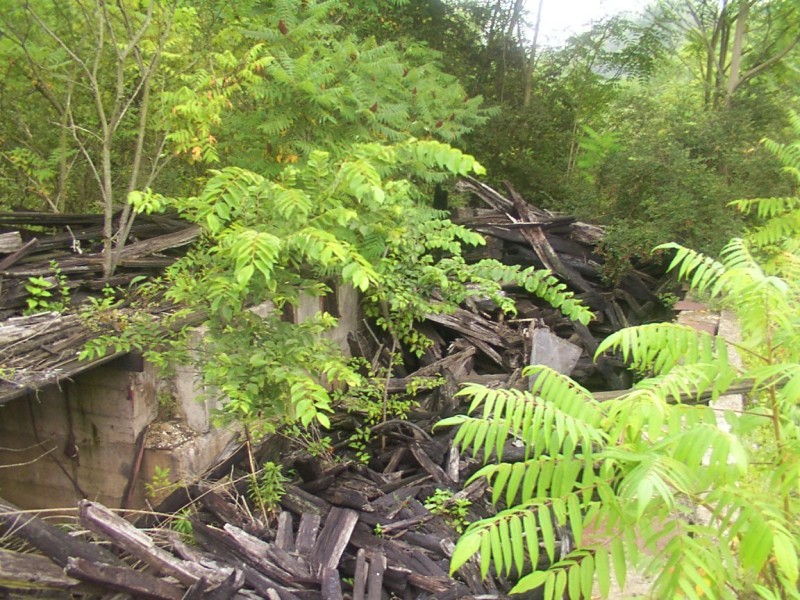
A Ghost of it's
former self. How long before the Montour Junctions remains are
completely hidden? |
| |
|
|
|
|
 |
|
 |
|
 |
|
 |
 |
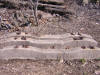
| We found some
old concrete ties |
|
Here are some
old rusting rail tongs |
|
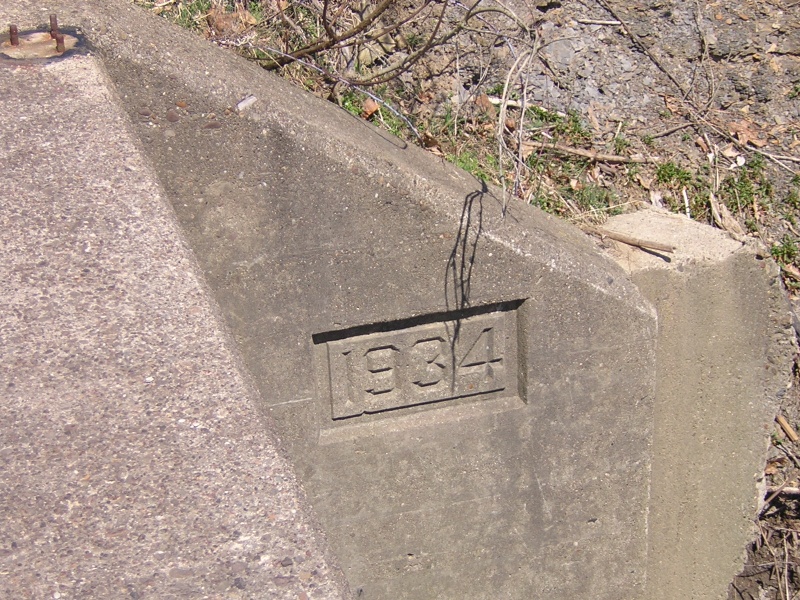
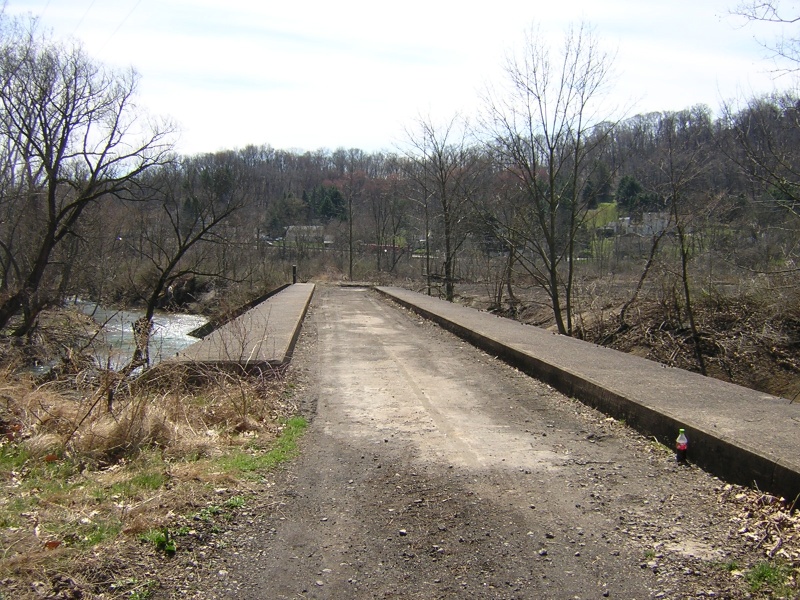
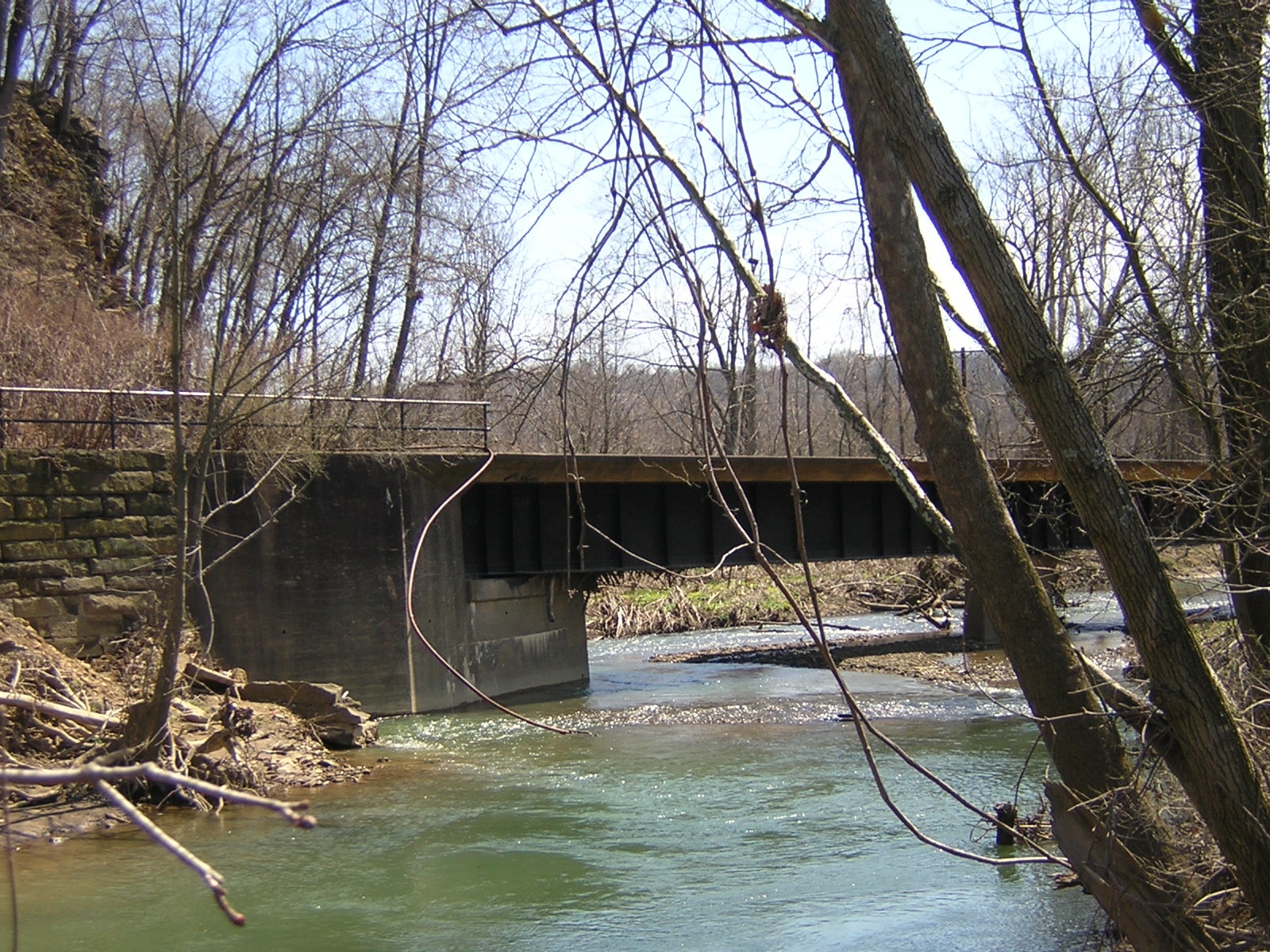
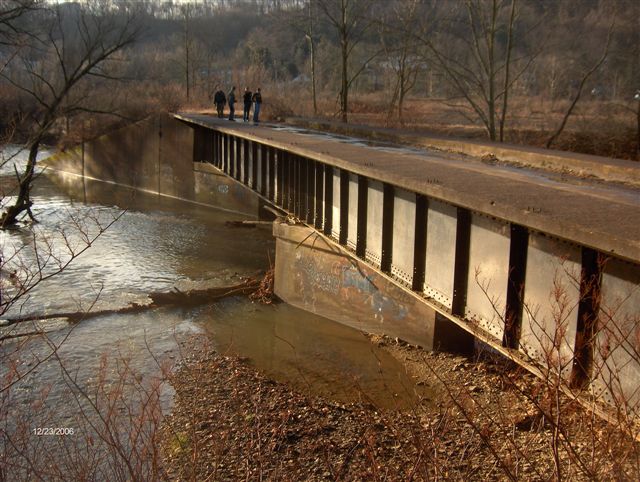
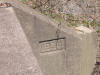
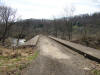
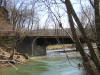
This old bridge
was built in 1934 and is still in very good shape. This bridge led to
the connection with the P&LE on the east end of Montour
Junction.
N40 30.506
W 80 08.942 |
| |
|
|
|
|
 |
 |
|
|
 |
|
 |
 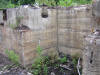 |
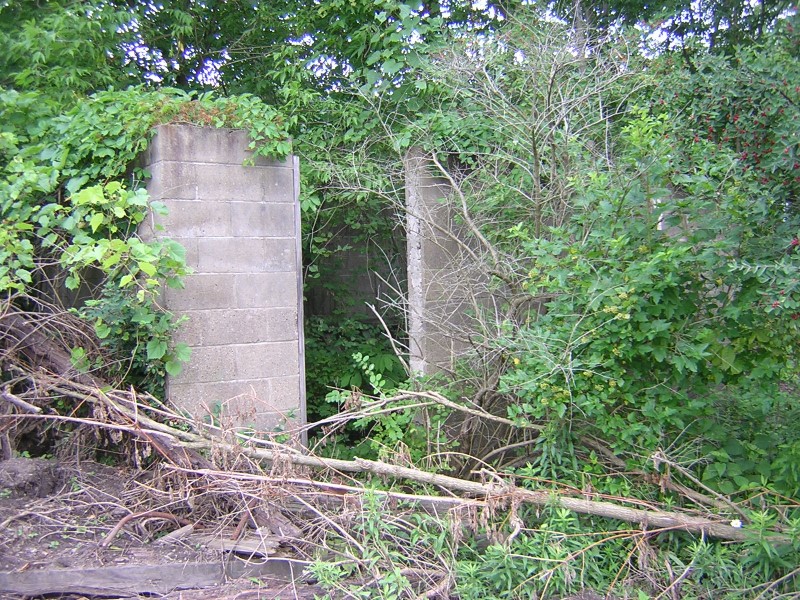
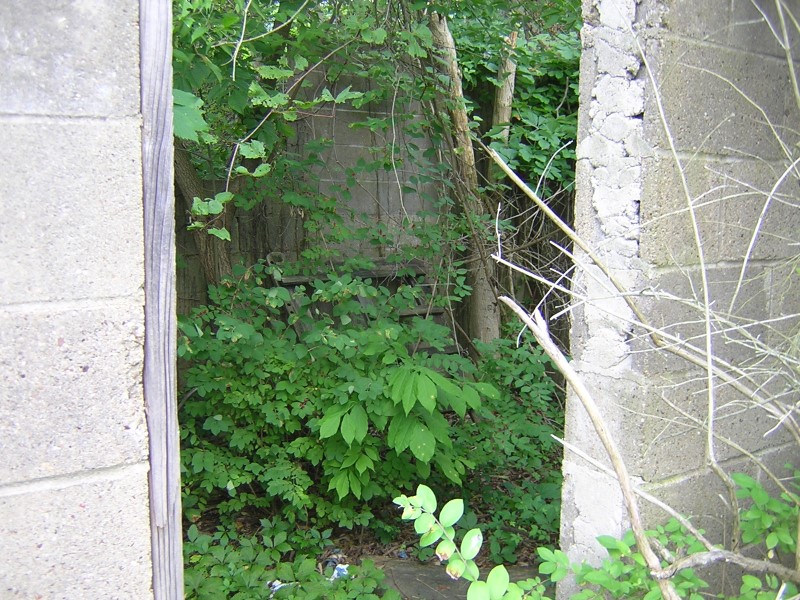
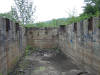
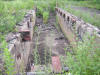
Here are the
remains of and old cinder block trainmen's shanty just below Rt51 and
to the left of the bottom of the stairs. This was used in the late days
of operation. Not much, just a washroom, lockers, table and chairs.
Next to the shanty there used to be two 18" diameter air tanks bout 10'
long that were used for air testing cars in the yard. These came off a
2-8-2 type steam locomotives.
History by Tim Sposato
N 40 30.376
W 80 08.846 |
|
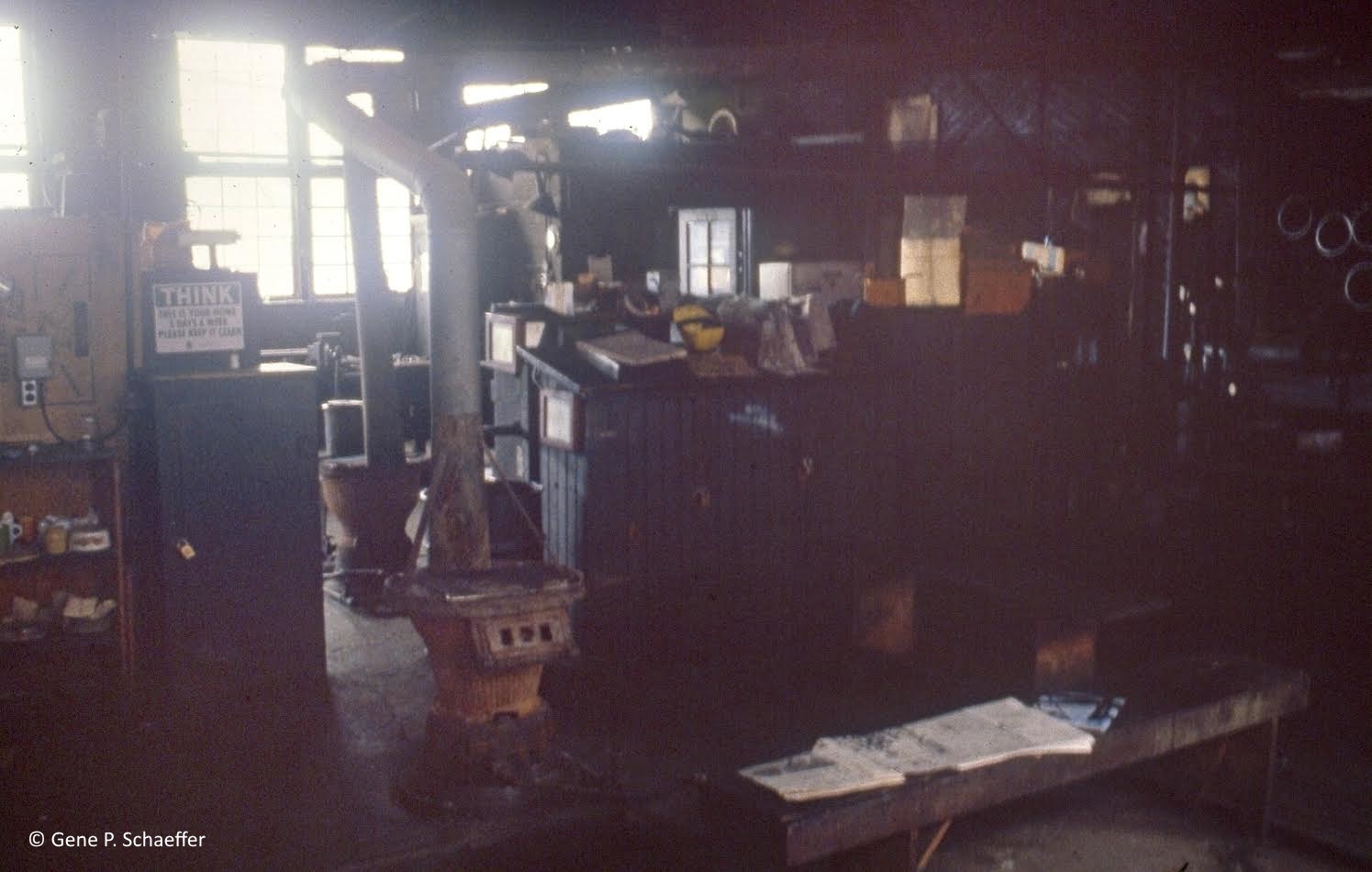
This is the
remains of the old Fairbanks
scale that wasn't used much at the end of operations. There is an area
to the RT51 side of the pit that was the scale house. The house was
wood construction and had some nice old furnishings still in it into
the beginning of the 1980's. The steel beams of the scale were
manufactured by USS.
History by Tim Sposato
N40 30.619
W 80 08.962 |
| |
|
|
|
|
 |
|
|
 |
|
|
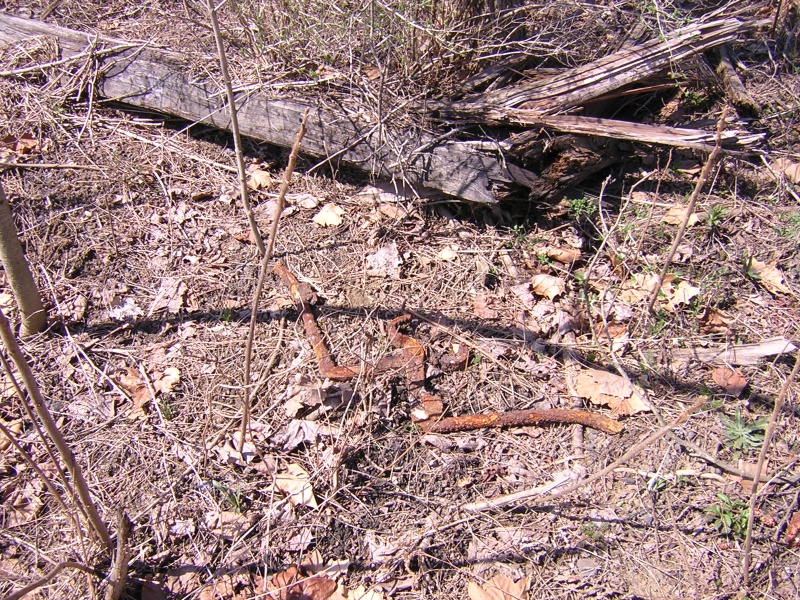
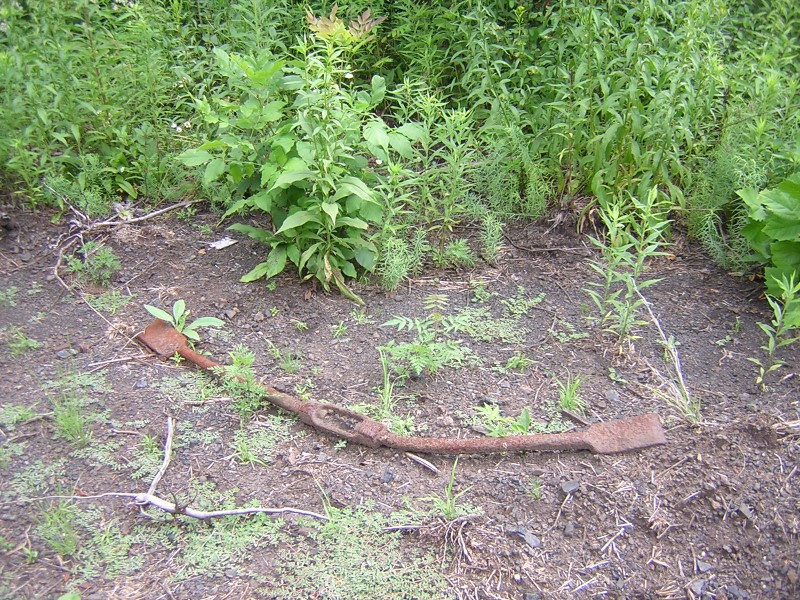
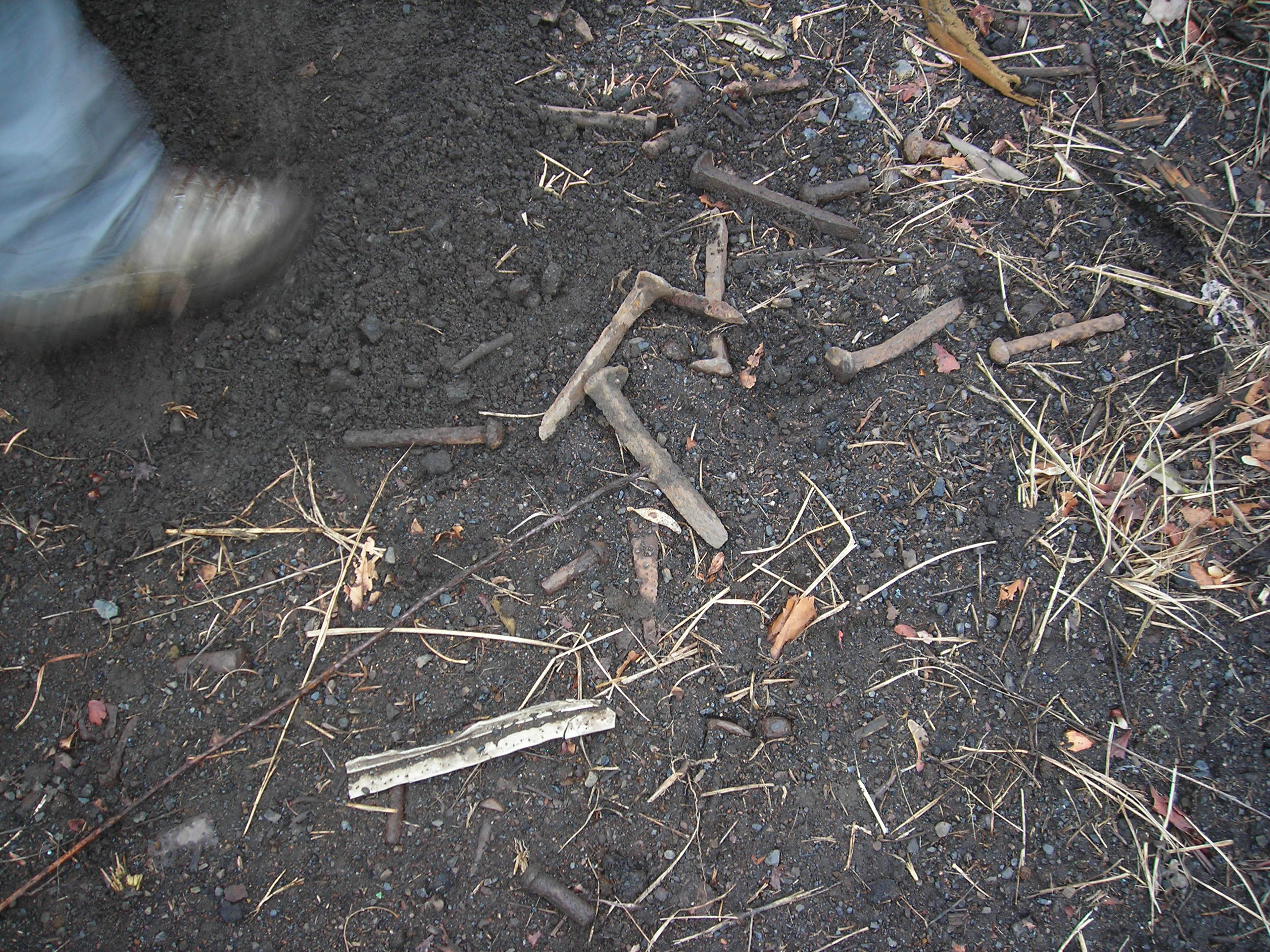
"This is an old
style gauge rod used to hold the correct gauge in the track. These were
used a lot where there were bad ties. The yard tracks were full of
them."
"I know when I first worked the track gang, I put 100's of them on,
most were the rod bar type with a bent hook on one end and the other
end threaded. This end would have a cast steel clamp that fit the rail
base and was drawn tight with a nut & lock washer. You'll most
likely find some of the around the yard also."
by Tim
Sposato
|
|
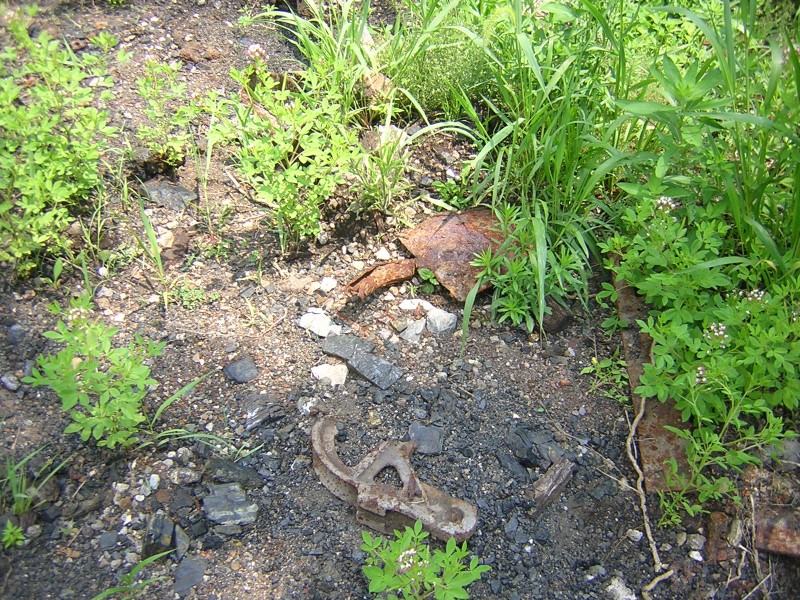
Here is an old
shovel and pipe bender. |
|
|
| |
|
|
|
|
|
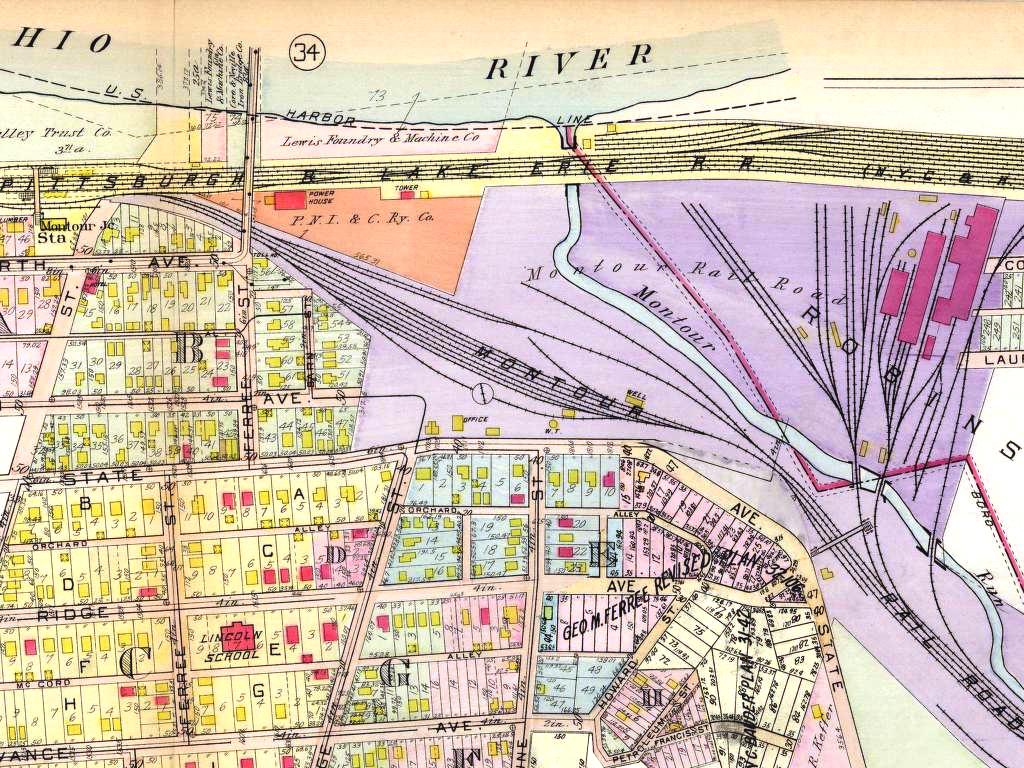
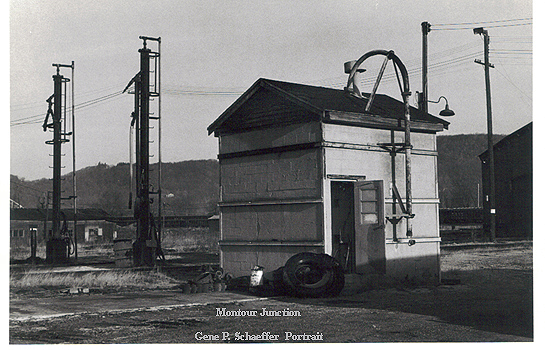
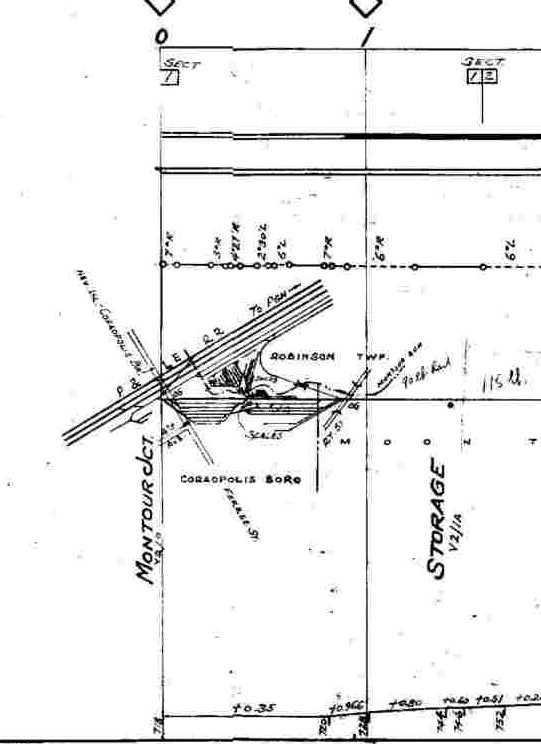
Historic Pittsburgh Image of Montour Junction |
| |
 |
| |
 Montour Railroad